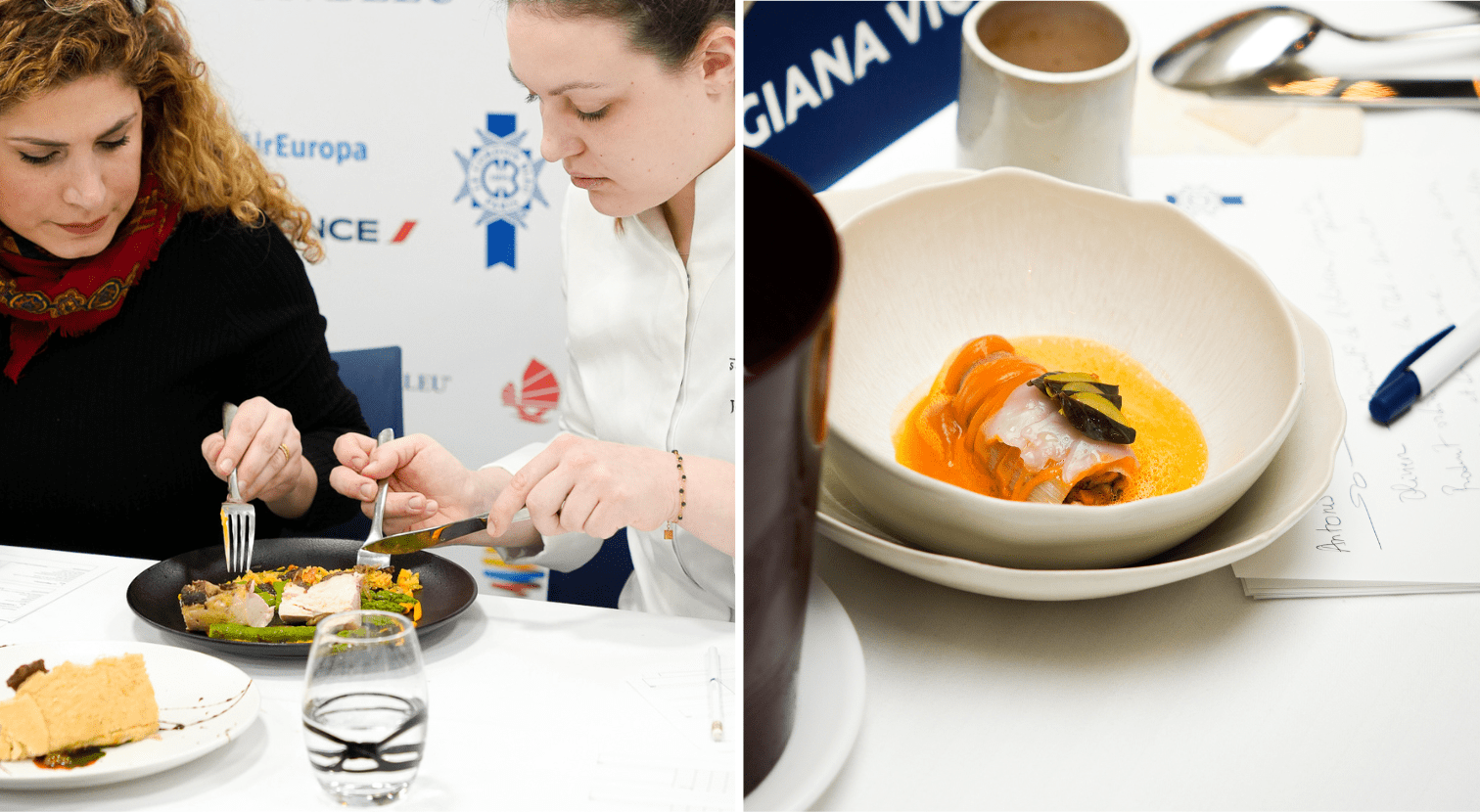
Everything You Need to Know About the Profession of a Gastronomic Critic
The gastronomic critic holds a unique place in the world of French gastronomy. Positioned halfway between journalist and taste expert, they analyse chefs’ creations, explore culinary trends, and showcase French know-how, whether in the grand dining rooms of Paris or across every corner of France. Their role is to decipher menus, assess dining experiences, and guide readers towards the finest addresses. In a constantly evolving culinary landscape, the critic becomes a true conveyor of emotions and an influential figure on the gastronomic scene.
What Does the Job of a Gastronomic Critic Involve?
A gastronomic critic spends most of their time evaluating establishments, dishes, and complete culinary experiences. They organise anonymous visits, taste and analyse textures, flavours, service, and atmosphere. Their objectives are multiple: to inform, inspire, highlight, or raise concerns, depending on the quality of the experience.
They then write press articles, columns, blogs, or social media posts. For them, controlled subjectivity is essential: every personal opinion must remain fair and well-argued. Thanks to their sharp eye, they help shape culinary trends and influence the reputation of chefs and establishments.
The Origins of the Gastronomic Critic Profession
Culinary criticism has its roots in the nineteenth century, both in literary salons and in early newspapers. Grimod de La Reynière is often cited as the first to publish structured gastronomic reviews. In the twentieth century, guides such as Michelin and Gault & Millau professionalised the critic’s role by establishing rigorous and anonymous evaluation criteria.
With the advent of the internet, the profession evolved: blogs, social media, television programmes, and podcasts transformed critics into true gastronomic influencers. Today, the critic is no longer merely an observer; they are a mediator, educator, and sometimes a promoter of new culinary experiences.
What Training Should One Undertake to Become a Gastronomic Critic?
There is no official dedicated diploma, but combining skills is essential. A course in journalism, literature, communication, or social sciences can be considered, ideally complemented by culinary training, for example at Le Cordon Bleu institute or another recognised school.
Internships in gastronomic editorial departments, press trips, or participation in culinary workshops enrich one’s knowledge of products. There are also specific courses in culinary criticism, food journalism workshops, and modules dedicated to culinary writing.
