
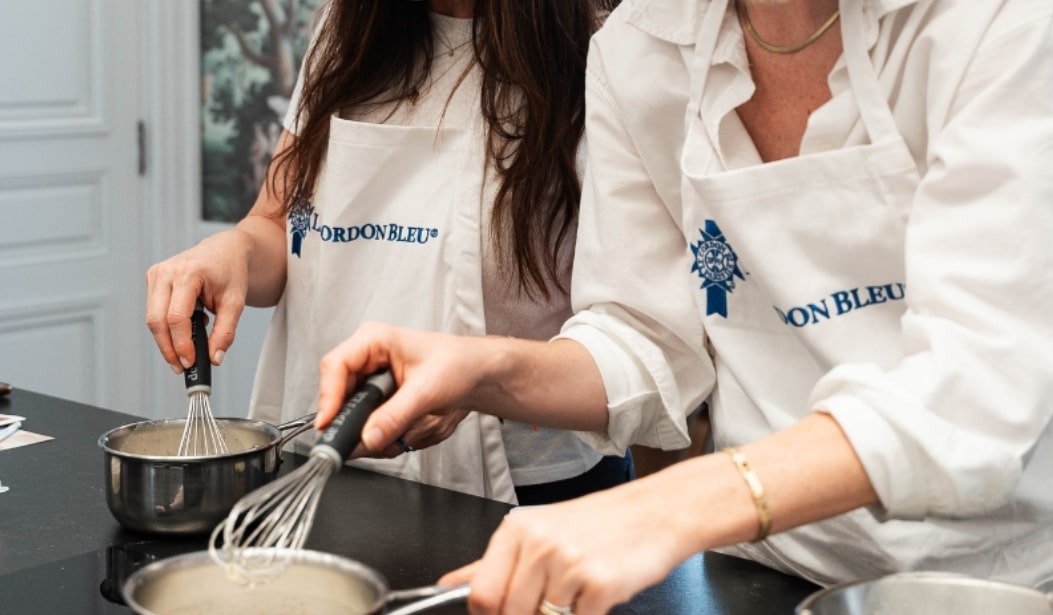
 Pastry making is often regarded as one of the most exacting disciplines in the culinary arts. Precision, timing, temperature control, and ingredient balance all play a critical role in determining the final outcome.
Unlike casual home baking, professional pastry work relies on structured methods where even minor variations can significantly affect texture, appearance, and flavour.
For this reason, mastering pastry is rarely achieved through trial and error alone. Techniques require guided practice and a clear understanding of the process.
Pastry workshops provide a focused learning environment where these skills are taught systematically. Through guided practice and expert instruction, participants gain insight into both the science and artistry behind these delightful creations.
This article explores the techniques that define pastry making, from essential foundations to more demanding and lesser-known methods, and explains how pastry classes equip participants with the knowledge and practical skills needed to produce delicate desserts and breads confidently.
Key Takeaways
The Foundations of Pastry-Making
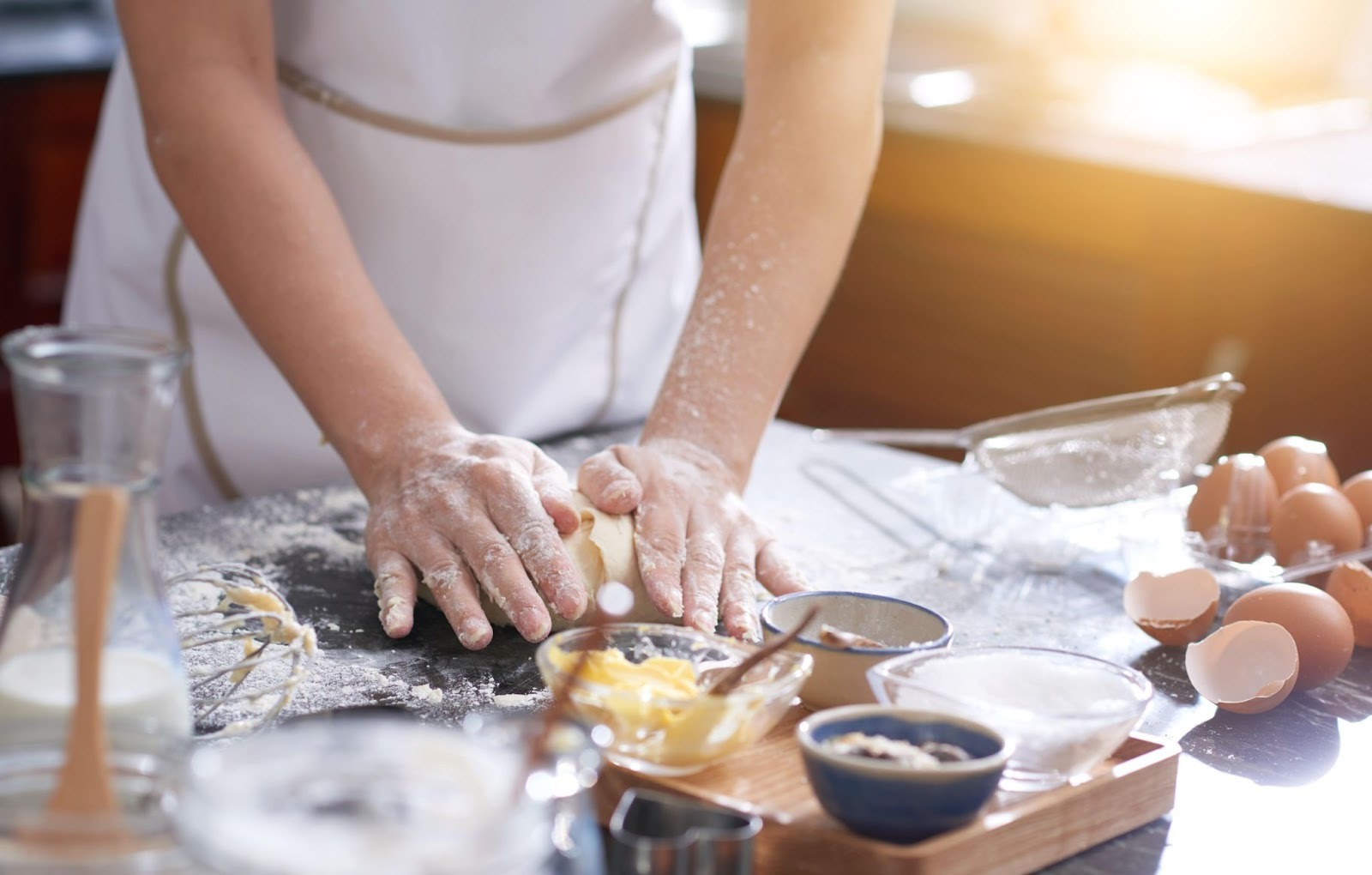 Every successful pastry begins with strong fundamentals. Before tackling complex desserts or artisanal breads, you must understand the building blocks that underpin pastry work.
Foundational training in pastry workshops typically covers:
Even the simplest pastry depends on these elements coming together. When ingredient balance, technique, and temperature are properly aligned, basic tarts, breads, or choux pastries achieve the structure and texture they are meant to have. Without this foundation, even simple recipes fall short of professional standards.
A good grasp of these fundamentals forms the technical base that allows potential pâtissiers to progress to more advanced techniques.
Popular Pastry Techniques Every Enthusiast Should Learn
Certain pastry techniques are widely recognised yet frequently underestimated. While they may appear straightforward, they demand accuracy and attention to detail.
For aspiring pastry chefs, common techniques you should master include:
Techniques That Challenge Even Experienced Patissiers
Some pastry techniques are known for their difficulty and narrow margin for error.
These methods are the ones that separate casual bakers from trained pastry professionals, such as:
In a workshop environment, participants benefit from direct feedback and demonstrations that help demystify these challenging processes.
Beyond classic pastries, here are some other techniques that add refinement and versatility to a pastry repertoire:
Exposure to these techniques broadens creative possibilities while reinforcing technical discipline.
How Pastry Workshops Teach What Matters
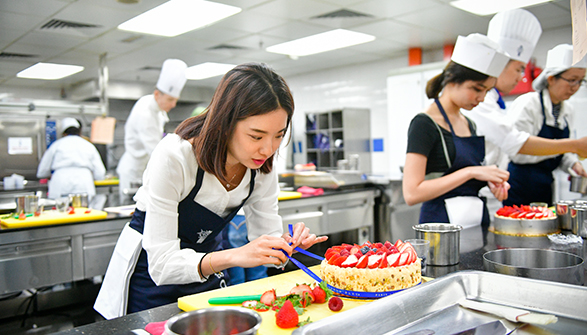
What truly distinguishes a pastry workshop from self-directed learning is not access to recipes, but access to structured thinking.
Pastry is a discipline where small technical missteps compound quickly. Without understanding cause and effect, learners often repeat the same mistakes without knowing why results vary.
A well-designed class addresses this by breaking techniques into clear stages and teaching participants how to read visual and tactile cues. Students learn what correct dough tension feels like, how temperature affects sugar or butter in real time, and how timing influences structure and finish. This transforms pastry making from guesswork into a controlled process.
Key learning elements include:
Through this approach, workshops help participants internalise technique. Over time, they develop the ability to diagnose issues independently, adjust methods confidently, and reproduce consistent results across different pastries.
Pastry Workshops at Le Cordon Bleu and the Value of Structured Learning
Pastry making demands patience, precision, and a deep respect for technique. Whether working with delicate desserts or artisanal breads, mastery comes from understanding process as much as creativity.
Pastry workshops present a focused way to develop these skills, turning complex techniques into repeatable practice under expert guidance. Through structured instruction and hands-on experience, participants gain the confidence to approach both classic and contemporary pastries with greater accuracy and consistency.
With 2026 just beginning, it is an ideal time to invest in learning a new skill or refining an existing one.
Explore the pastry workshops organised by Le Cordon Bleu and take the next step in mastering delicate desserts and breads.
For more information, WhatsApp us at 019-305 2586 or email to malaysia@cordonbleu.edu.
Copyright © 2026 Le Cordon Bleu International B.V. All Rights Reserved.