French Patisserie Course in Malaysia: Blending Two Culinary Worlds
LE CORDON BLEU MALAYSIA
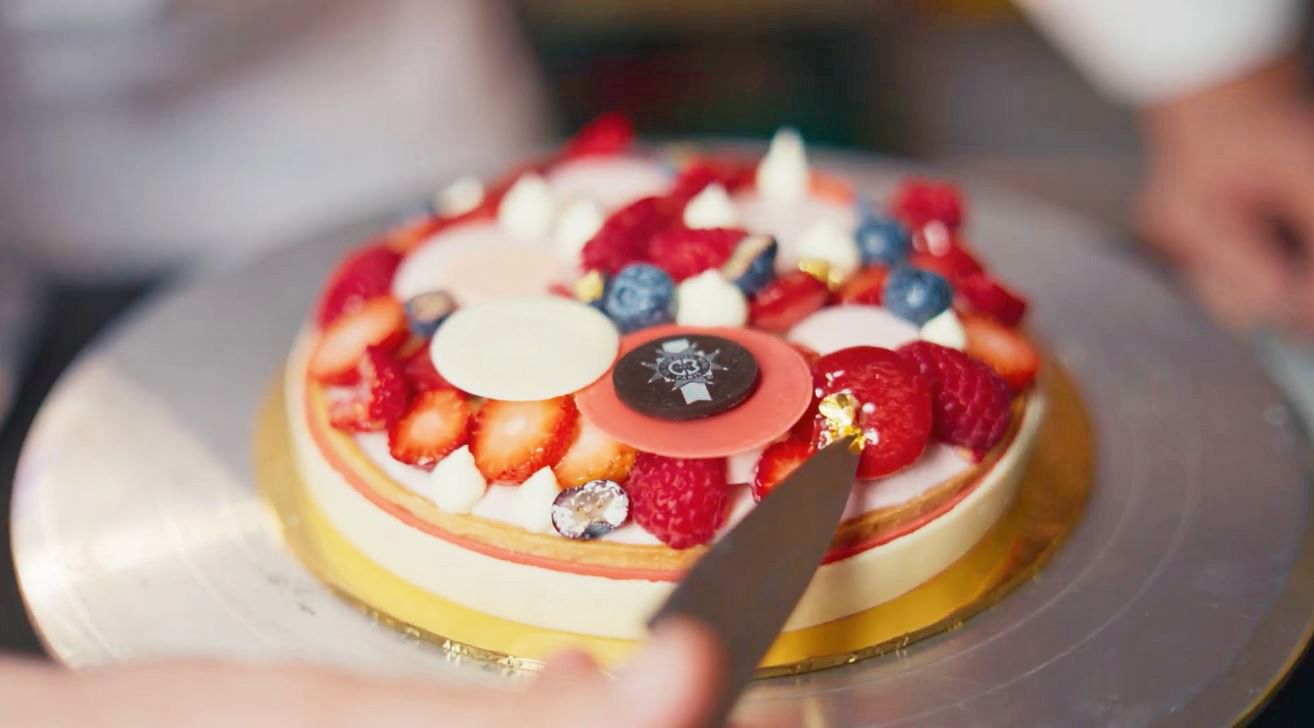 French patisserie represents centuries of culinary refinement. Malaysia brings vibrant flavours, tropical ingredients and a food culture unlike anywhere else.
When these two worlds meet in a professional training environment, something remarkable happens. Students don't just learn to replicate Parisian classics; they discover how to adapt technique to context, how to respect tradition while embracing local identity, and how to build a pastry repertoire that works in the real Malaysian market.
This article explores what makes a French patisserie course in Malaysia distinctive, how it prepares you for actual career opportunities, and why this blend of culinary worlds offers more than either tradition could alone.
Key Takeaways
- French patisserie training in Malaysia combines classical European technique with exposure to Southeast Asian ingredients and flavour profiles.
- Learning in Malaysia provides direct access to tropical fruits, local spices and regional pastry traditions that inform modern fusion approaches.
- Professional patisserie courses teach structured methods, precision and consistency that apply across any cuisine or market.
- Training at an institution offering an internationally recognised culinary qualification opens doors locally and globally, with credentials respected across the hospitality industry.
Why French Patisserie Still Matters
French patisserie isn't just about croissants and éclairs. It's a system of thinking.
At its core, French pastry training teaches you to understand ratios, control temperature, read dough behaviour and build flavour in layers. These aren't decorative skills. They're the foundation that separates someone who follows recipes from someone who can solve problems, adapt to ingredients and create consistently excellent results.
When you train in French technique, you learn why custard splits, how lamination creates structure, and what happens when sugar reaches different temperatures. This knowledge transfers to every pastry you'll ever make, whether it's a classic tarte Tatin or a pandan-infused entremet.
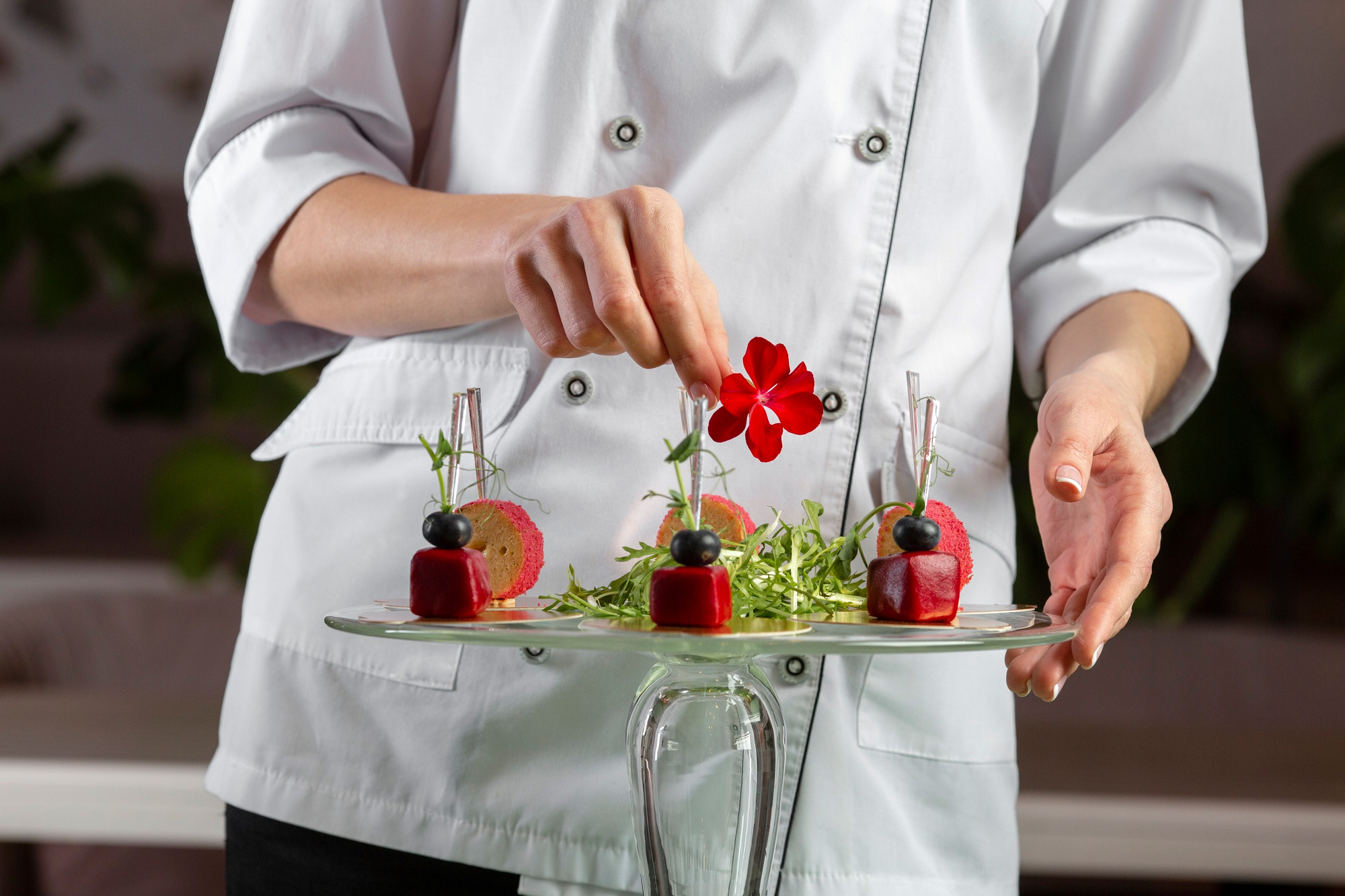
The discipline also teaches presentation standards that define professional pastry work worldwide. Clean lines, balanced composition, attention to detail. These expectations shape how pastry is evaluated in hotels, restaurants and competitions globally.
What Malaysia Brings to the Table
Malaysia's food culture is built on fusion. Malay, Chinese, Indian and indigenous influences have shaped a culinary landscape where borrowing, adapting and reimagining is the norm, not the exception. For pastry students, that environment offers something genuinely unique.
Ingredients You Won't Find in Europe
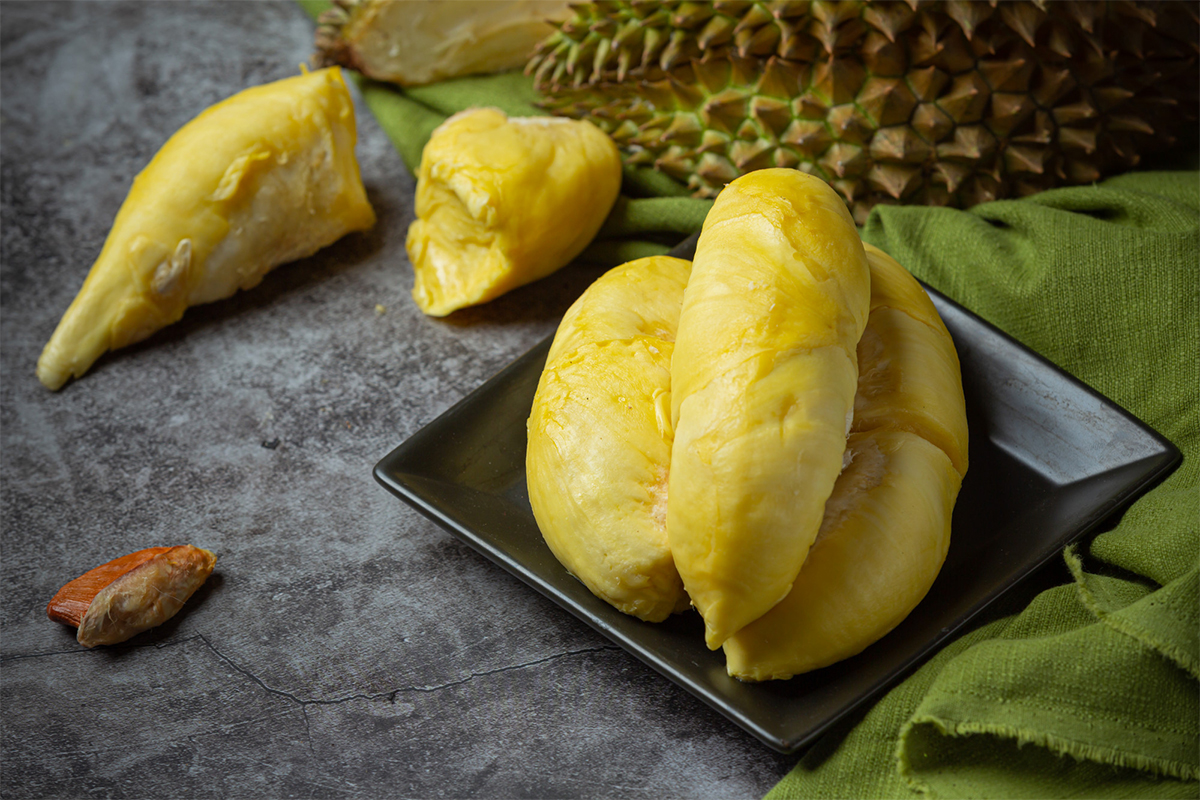
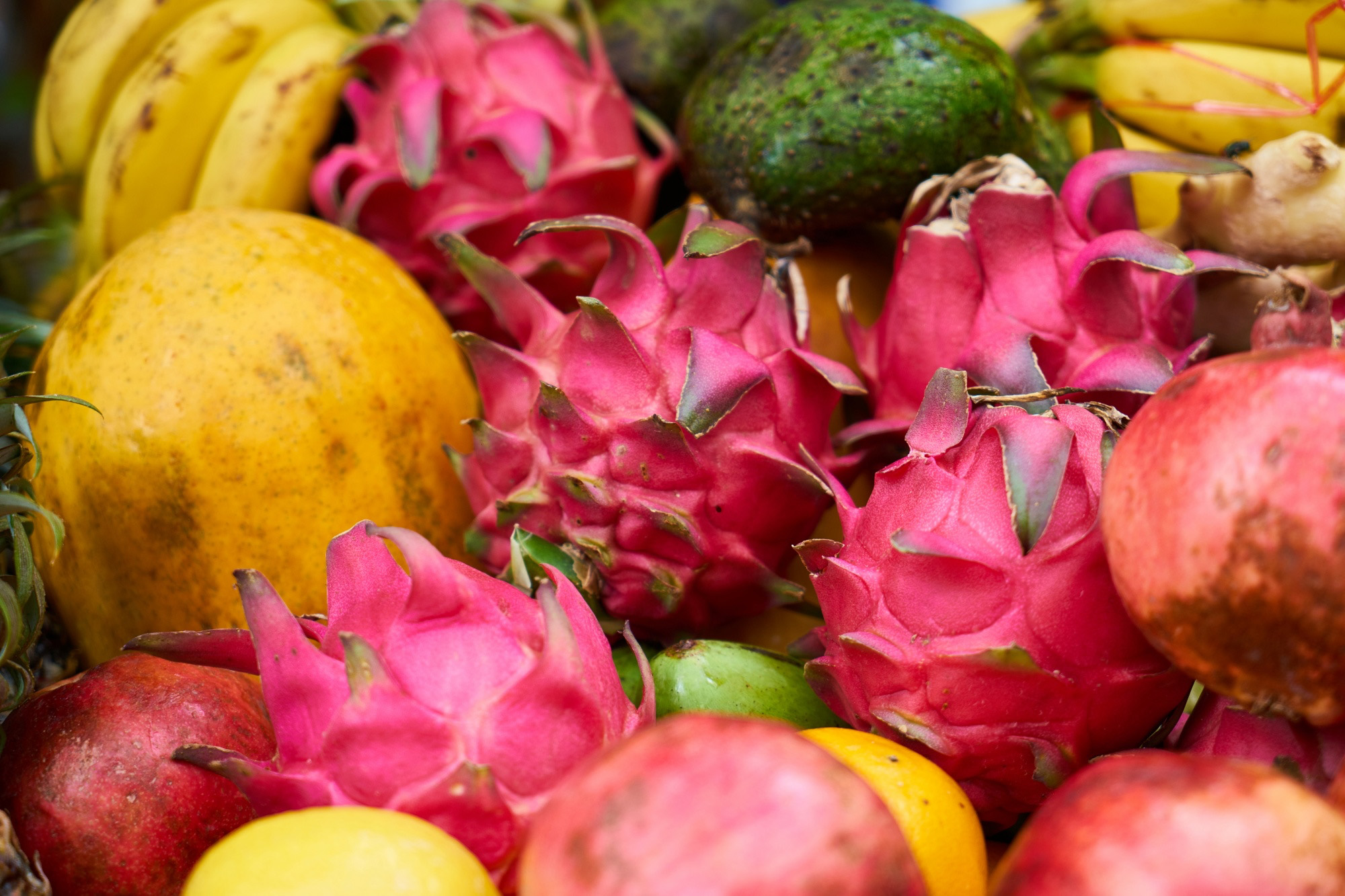
- You're surrounded by ingredients absent from European pastry tradition: pandan, gula Melaka, calamansi, durian, passion fruit, mangosteen and coconut in every form.
- These textures and flavour combinations challenge conventional pastry logic and push you to think beyond the classic French palette.
A Market That Rewards Bold Flavours
- Training in Malaysia means learning French technique while immersed in a market that values bold flavours, tropical freshness and creative adaptation.
- You see how local bakeries interpret Western pastries and how traditional kuih-making techniques influence modern dessert construction.
A Broader Creative Vocabulary
This dual exposure doesn't dilute your training. It expands it, giving you a more flexible approach to pastry development that serves you well beyond the classroom.
The Structure of Professional Patisserie Training
A comprehensive French patisserie course typically progresses through three levels: basic, intermediate and superior.
The basic level builds foundational skills in dough preparation, custard work, creams and fillings, and simple tarts and pastries. You’ll learn to handle ingredients properly and understand why each step matters. All techniques are done by hand, without the use of machines or specialised equipment, allowing you to develop essential hands-on skills from the ground up.
Intermediate training adds complexity: laminated doughs like croissants and Danish pastries, chocolate tempering, bonbon production, multi-component entremets and sugar work. You start to see how elements combine into finished desserts.
The superior level focuses on refinement through plated desserts, advanced chocolate work, artistic sugar and pastillage, and competition-level presentation. You’ll develop your own style while maintaining technical rigour, strengthening your teamwork and collaboration skills through working alongside fellow students to achieve professional standards.
Throughout, you're developing judgment, not just following recipes, knowing when dough is ready or cream has reached the right consistency. That judgment comes from repetition under expert guidance.
How Local Ingredients Challenge and Enhance Technique
French pastry technique was developed around European ingredients: specific butter fat content, particular flour protein levels, predictable fruit sugar and acid balance. Malaysian ingredients behave differently, and that difference is an opportunity to deepen your technical understanding.
How Malaysian Ingredients Differ
Tropical fruits carry higher water content and more intense flavours. Local butter may have different melting points, and humidity affects how dough handles and how chocolate sets.
Adapting Classic Recipes
Adapting a classic recipe to local ingredients forces deeper understanding of the underlying principles: why cream needs stabilising in Malaysian humidity, how to balance calamansi against a tart's sweetness, or what adjustments make pandan work in a French-style custard.
Building Real Problem-Solving Skills
This problem-solving develops skills that pure replication never could. You become a pastry chef who understands cause and effect, not just someone who follows instructions.
Career Pathways After Training
Professional patisserie training opens multiple career directions, in Malaysia and internationally.
Many graduates work in hotel pastry kitchens, where French technique forms the backbone of dessert menus. Others join high-end restaurants, bakeries or cafés that prize artisanal production and quality ingredients.
Some pursue entrepreneurship, opening their own patisseries, dessert bars or catering businesses, using classical training and local market knowledge to create offerings that stand out.
For those wanting further development, positions in product development, pastry instruction or culinary media become accessible with strong foundations and a distinctive point of view.
Ultimately, professional training provides credibility, signalling to employers and customers that you can work to professional standards and function in a commercial kitchen.
What Sets World-Class Training Apart
Not all patisserie courses deliver equal value. The difference lies in a few key factors.
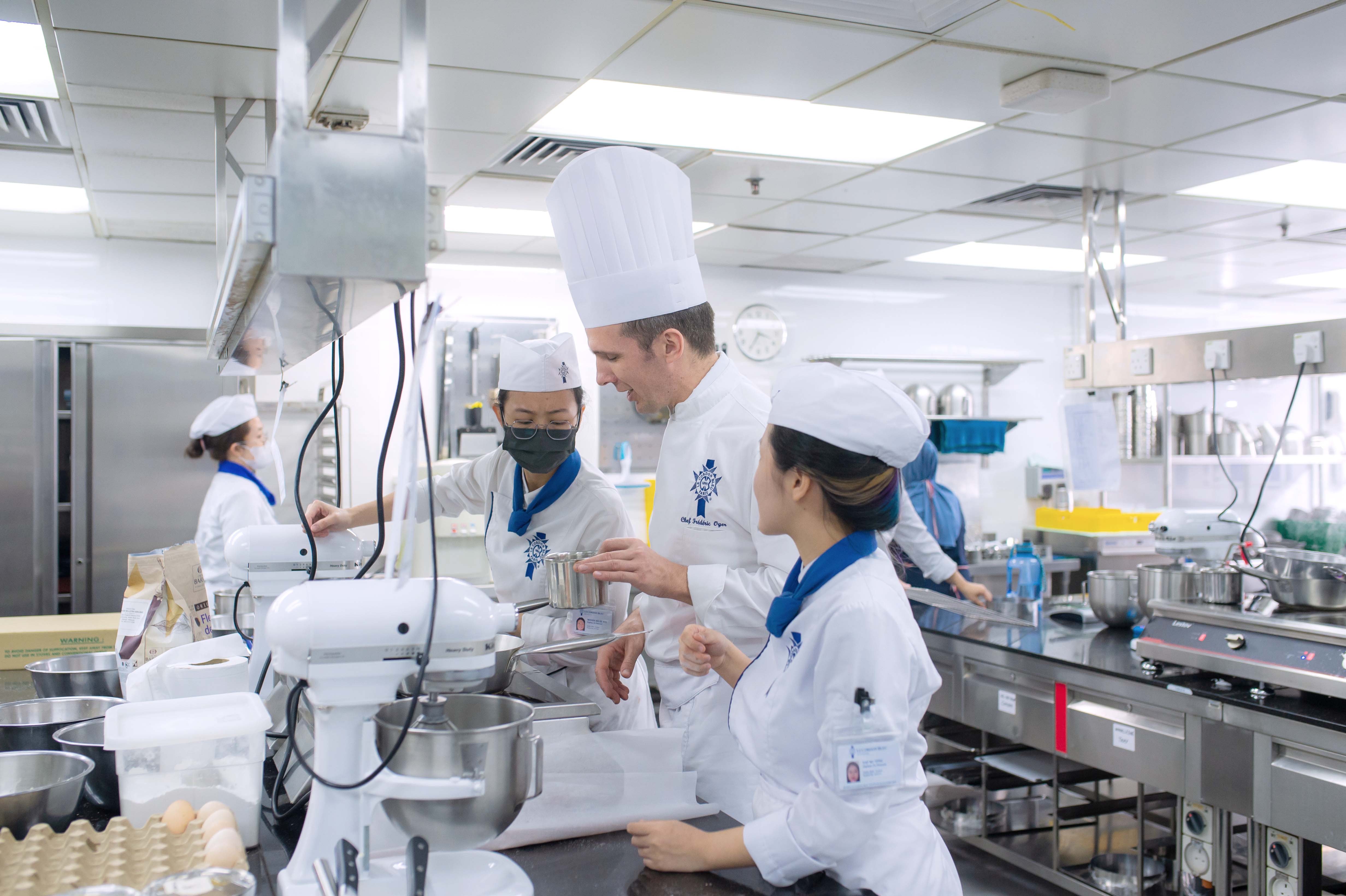
- Instructor expertise: chefs with international experience, competition backgrounds and real industry knowledge teach you how professionals think, troubleshoot and refine their work.
- Facility quality: professional-grade equipment and adequate workspace build skills that transfer directly to commercial kitchens.
- Curriculum depth: courses that allow time for repetition, correction and mastery build genuine competence, while rushed courses leave gaps in your knowledge.
- Global recognition: credentials from respected institutions carry weight with employers worldwide, while local certificates may limit your mobility. Weigh these factors carefully, and you'll choose a course that builds skills employers actually recognise.
Making the Most of Your Training
Getting the most from a French patisserie course in Malaysia requires active engagement, not passive attendance.
Practise Outside Class Time
These techniques need repetition to become automatic, so keep working with dough, chocolate and sugar between classes. Joining a hands-on gourmet workshop helps keep that repetition going.
Ask Why, Not Just How
Ask questions when you don't understand why something works. Instructors can explain the reasoning, helping you build transferable knowledge rather than memorised steps.
Taste Critically
Pay attention to how flavours balance, textures contrast and small adjustments change the result. Developing your palate matters as much as developing technique.
Explore Beyond the Classroom
Visit local markets to discover regional specialties and explore how classical techniques can be applied to local flavours. Visit various pâtisseries and hotel pastry shops to taste and analyse their pastries, observing different styles, flavours and presentation techniques. This curiosity will broaden your perspective, inspire creativity and help set your work apart.
Treat It as a Professional Investment
Consistent attendance and attention to detail signal that you're building a career, not just taking a class.
Begin Your Patisserie Journey
French patisserie training in Malaysia offers something genuinely distinctive: classical skills respected globally, developed in an environment that values creativity, adaptation and bold flavours.
This combination opens opportunities neither tradition alone could provide: fine dining that demands classical precision, fusion desserts that speak to local tastes, or a business bridging both culinary worlds.
The foundation you build through structured training shapes everything that follows, from the techniques you master to the confidence you develop.
Le Cordon Bleu Malaysia offers patisserie programmes blending French culinary heritage with training suited to the Malaysian and Asian market, from basic certificates through to the full Diplôme de Pâtisserie.
Explore the patisserie courses at Le Cordon Bleu Malaysia and discover how classical French training can shape your culinary future.
For more information, WhatsApp us at 019-305 2586 or email to malaysia@cordonbleu.edu.