
 In culinary education, reputation often travels faster than explanation. Phrases like “world’s largest culinary school” or “prestigious institution” are widely used, yet rarely unpacked in a way that helps prospective students understand what these qualities actually mean for their learning experience.
For students choosing where to train, size and prestige are not abstract labels. They shape daily access to facilities, exposure to diverse culinary perspectives, consistency of instruction, and the long-term recognition of qualifications. When understood properly, scale and reputation become practical considerations rather than marketing claims.
This article explores why studying within the world’s largest international culinary school network advantages for students, using Le Cordon Bleu as its reference point. Learn how size and prestige translate into tangible educational value throughout training and beyond.
If you’ve ever dreamed of turning your passion for cooking into a global career, a culinary arts course at Sunway Le Cordon Bleu in Malaysia might just be the perfect place to start.
Key Takeaways
Table of Contents
The scale of a culinary institution matters when it directly supports the learning environment. It offers breadth, depth, and infrastructure that smaller schools may struggle to sustain consistently.
For students, this scale shows up in practical ways. A large culinary institution can support:
Students have access to cuisine, pastry, bakery, gastronomy, wine, and hospitality programmes under one institutional framework, allowing exploration across related fields without fragmentation.
Dedicated kitchens for pastry, boulangerie, cuisine, and specialist techniques allow students to train in environments designed specifically for the skills being taught.
Scale enables a steady calendar of demonstrations, guest sessions, and focused workshops that enrich the core curriculum.
Instead of concentrating resources into a single offering, a large institution distributes them across multiple learning paths, giving students room to grow, specialise, or expand their skill set over time.
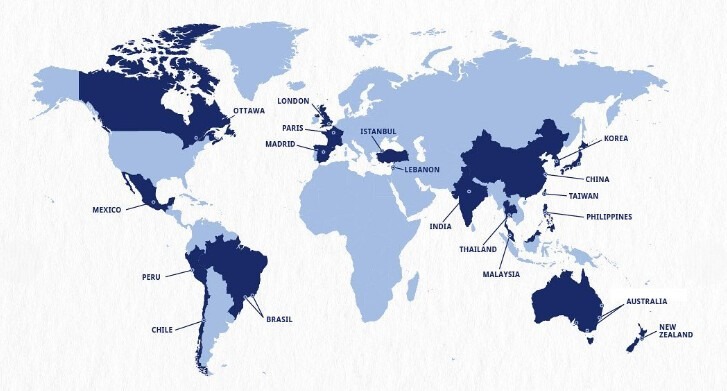
Size also creates reach. A global culinary institution functions as a connected learning network that spans across states and countries.
Students benefit from this environment in several ways:
Training alongside peers from different countries introduces varied perspectives on ingredients, techniques, and kitchen culture. This exposure builds adaptability and cultural awareness that are increasingly relevant in international kitchens.
A global institution follows a unified framework, allowing students to understand and apply techniques consistently, regardless of regional context.
Graduates become part of an international community that supports career mobility, professional connections, and knowledge exchange across borders.
Learning within a global network helps students develop culinary fluency. Techniques are not viewed through a single regional lens but understood as adaptable tools that travel across cuisines and kitchens all over the world.
Prestige in culinary education is not about status alone. It is a testament to the level of trust built over time through consistency, standards, and outcomes.
For students, institutional prestige translates into:
Hiring managers often associate established culinary institutions with structured training and dependable skill development.
Prestige signals that a school adheres to defined teaching methods, assessment frameworks, and quality control across programmes.
Graduates carry qualifications that are understood and respected across regions, easing movement between kitchens, roles, and countries.
In professional kitchens, reputation acts as shorthand. A recognised institution reassures employers that a graduate has been trained within a disciplined, standardised system and can apply learnt skills confidently across different kitchen settings.
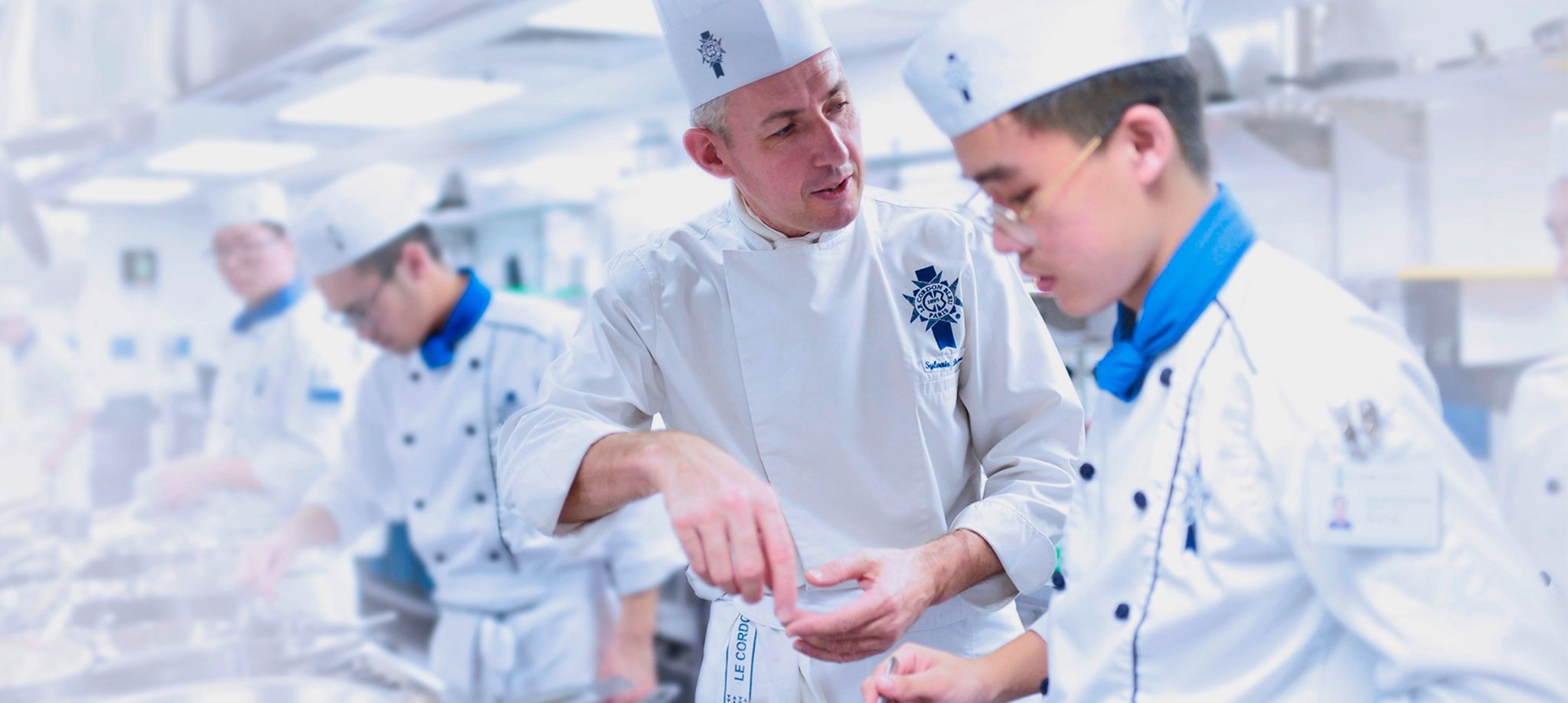
One common concern around large institutions is whether size compromises quality. At well-established culinary institutions, scale supports consistency through shared standards and structured delivery.
This consistency is maintained through:
Core techniques, progression pathways, and assessment criteria remain aligned, ensuring students receive the same level of instruction regardless of location.
Teaching staff are trained to deliver programmes according to shared standards, preserving instructional quality across classes and campuses.
Students move through learning stages systematically, building skills in sequence, with each stage reinforcing the next.
This cultural immersion enriches your perspectives. You’ll learn to appreciate global cuisines while comprehending how culture and cuisine intersect. These experiences shape you into well-rounded professionals who can connect with audiences around the world through a deep respect for food’s power to unite people. vvFor students, this means their qualification carries the same meaning wherever it is presented. The value of training remains stable, supported by institutional systems and standards.

Studying abroad can cost a pretty penny. But at Sunway Le Cordon Bleu, you get world-class education at a fraction of the cost of similar programmes in Europe or North America.
Malaysia’s affordable living costs mean you can enjoy a high-quality lifestyle without breaking the bank. With reasonably priced accommodations, convenient access to public transportation, and budget-friendly meals, you’ll find that your money goes further here.
And with the value of a Le Cordon Bleu education, it’s an investment that pays off in career prospects and personal growth.
Worried about language barriers? At Sunway Le Cordon Bleu, English is the primary language of instruction to ensure accessibility for international students from all over the world.
This allows everyone to focus entirely on mastering their culinary skills without the added stress of navigating an unfamiliar language. You are taught to communicate efficiently and effectively under fast-paced conditions, whether it’s interpreting complex recipes, collaborating in multicultural kitchens, or presenting inventive culinary concepts.
Plus, English fluency is a huge advantage in the global culinary industry because it’s often the standard language in professional kitchens. We prepare our graduates to navigate these global environments seamlessly with both technical expertise and the communication skills essential for thriving in dynamic, cross-cultural settings.
Take Your First Step Towards Culinary Greatness at Le Cordon Bleu
Cooking is as much of a lifelong passion as it is a rewarding career.
At Sunway Le Cordon Bleu, you’ll not only learn to cook. You’ll discover how to innovate, lead, and create. From mastering French techniques to exploring Malaysia’s rich culinary traditions, the experiences here will shape you into a chef ready to take on the world.
Are you ready? Enrol in our Diploma in Culinary Arts today and embark on an adventure that will transform your passion for cooking into a lifelong masterpiece.
Copyright © 2026 Le Cordon Bleu International B.V. All Rights Reserved.