Why Plant-Based Cooking Courses Are Becoming the Most Sought-After Culinary Qualification
LE CORDON BLEU MALAYSIA
 A decade ago, plant-based cooking sat on the fringes of culinary training, often treated as a niche add-on rather than a serious discipline with real career prospects.
That has changed. Restaurants, hotels and home cooks are all asking the same question: who actually knows how to make plant ingredients taste extraordinary?
A structured plant-based cooking course answers that question properly, and it is why demand for this qualification keeps climbing across Malaysia and beyond.
Key Takeaways
- Plant-based cuisine has moved from a dietary niche to a recognised culinary specialism with growing career demand across Asia-Pacific.
- A structured plant-based cooking course teaches technique, product knowledge and menu creativity, not just ingredient substitution.
- Le Cordon Bleu Malaysia offers a Diploma in Plant-Based Culinary Arts in both Cuisine and Pâtisserie tracks, open to beginners from age 17.
- The qualification suits far more than vegans and vegetarians, appealing to anyone curious about sustainable, health-conscious cooking as a serious skill.
-
Designed for aspiring chefs, culinary enthusiasts and food professionals alike, the programme encourages experimentation with plant-based ingredients, modern culinary techniques and artistic presentation to create innovative, professional-standard dishes.
The Quiet Shift Nobody Saw Coming
Plant-based food used to mean salads and substitutes. That perception is fading fast.
Consumer appetite for plant-based options has grown so quickly that the global plant-based food market is on track to reach roughly US$95.5 billion by 2029, with Asia-Pacific increasingly cited as one of the fastest-growing regions for that demand according to PR Newswire
Cooking schools have noticed. Specialised plant-based courses now make up a significant portion of new culinary course offerings, and health-oriented programmes are drawing a growing share of new enrolments.
This is not a passing trend confined to wellness culture. It reflects a genuine shift in what restaurants, hotels and food businesses expect from the chefs they hire.
Beyond Tofu Swaps and Substitutes
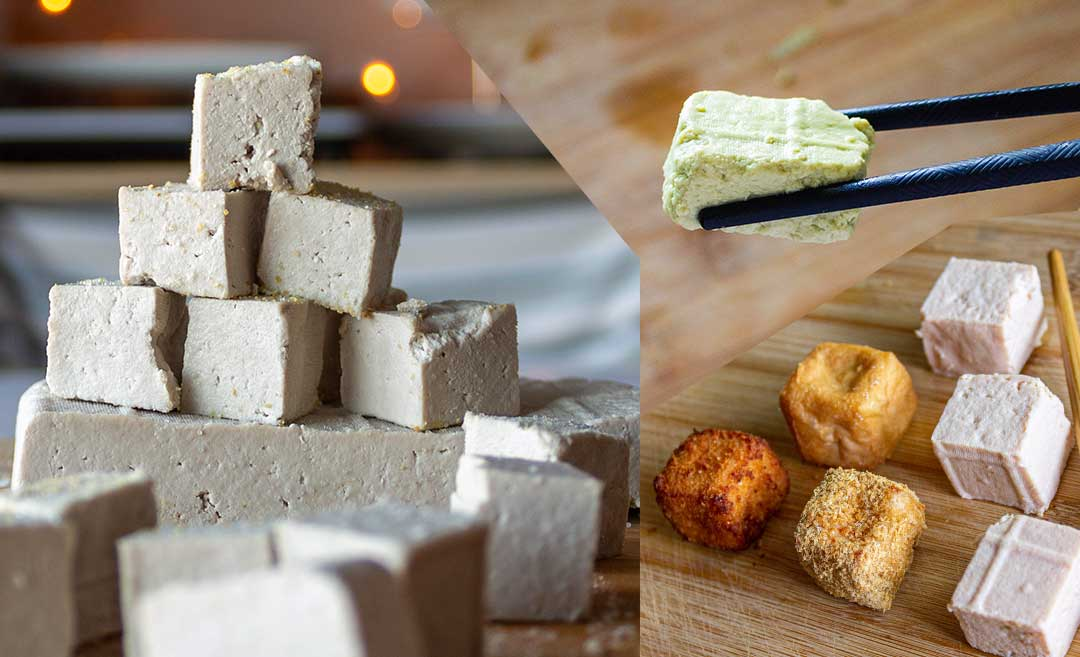
Many people assume a plant-based cooking course simply means learning to swap meat for tofu. That misunderstanding undersells what the training actually involves.
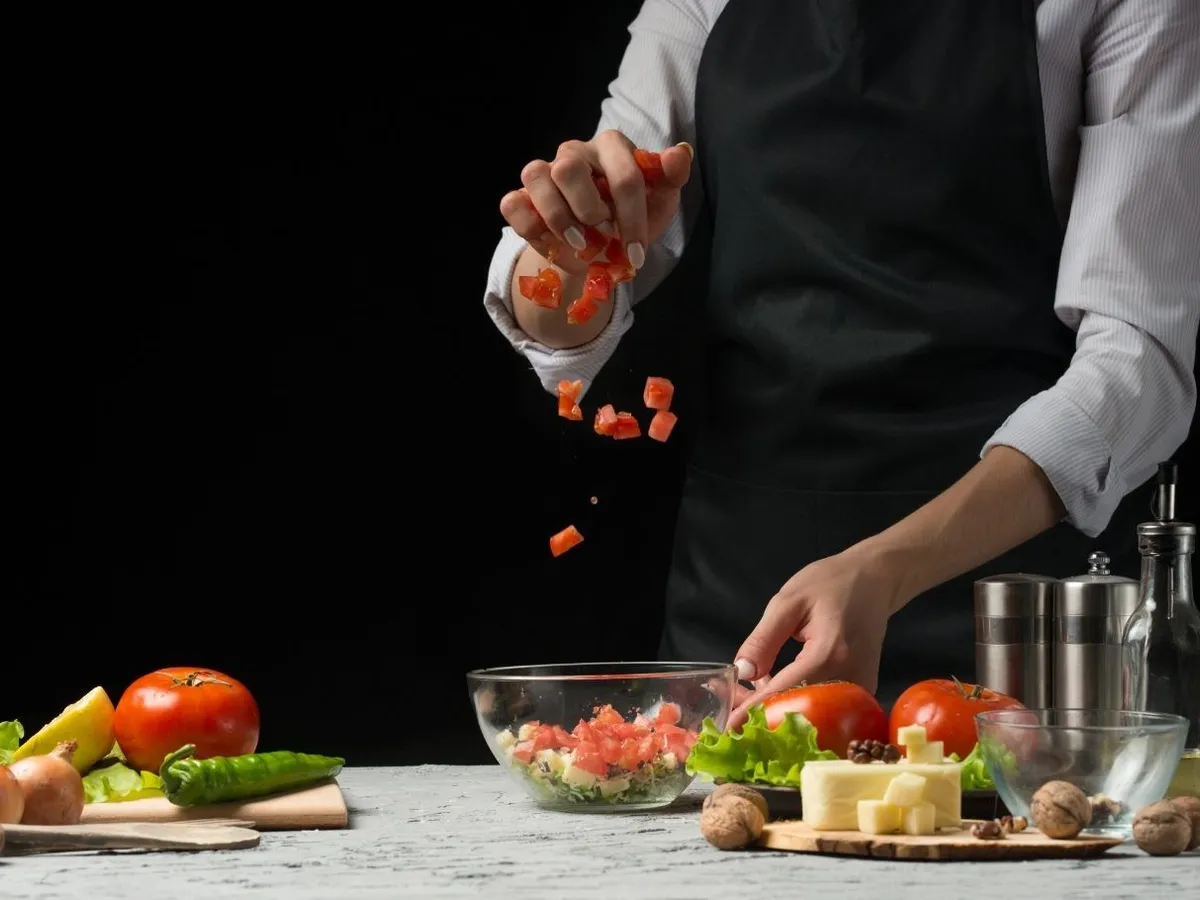
A proper programme teaches you to work with an enormous range of ingredients, including vegetables, fruits, nuts, seeds, grains and pulses, and to understand how each behaves under heat, acid, fermentation and technique.
It also builds the same foundational cooking skills , knife skills, health and safety in the kitchen as expected in any serious culinary qualification.
Product Knowledge Comes First
Before you can cook creatively with plants, you need to understand them. Courses typically dedicate real time to ingredient properties, seasonality and how different plant proteins and textures can replace or reinvent classic techniques.
Technique Still Rules the Kitchen
Searing, braising, emulsifying and building layered flavour without relying on animal fats or stocks requires genuine technical skill. This is where formal training separates a confident plant-based chef from someone following recipes at home.
Menu Creativity Is Taught, Not Assumed
Turning plant ingredients into a dish that holds its own on a fine dining menu takes practice and guided feedback. Structured courses build this skill progressively rather than expecting students to arrive with it already formed.
 What the Diploma Covers
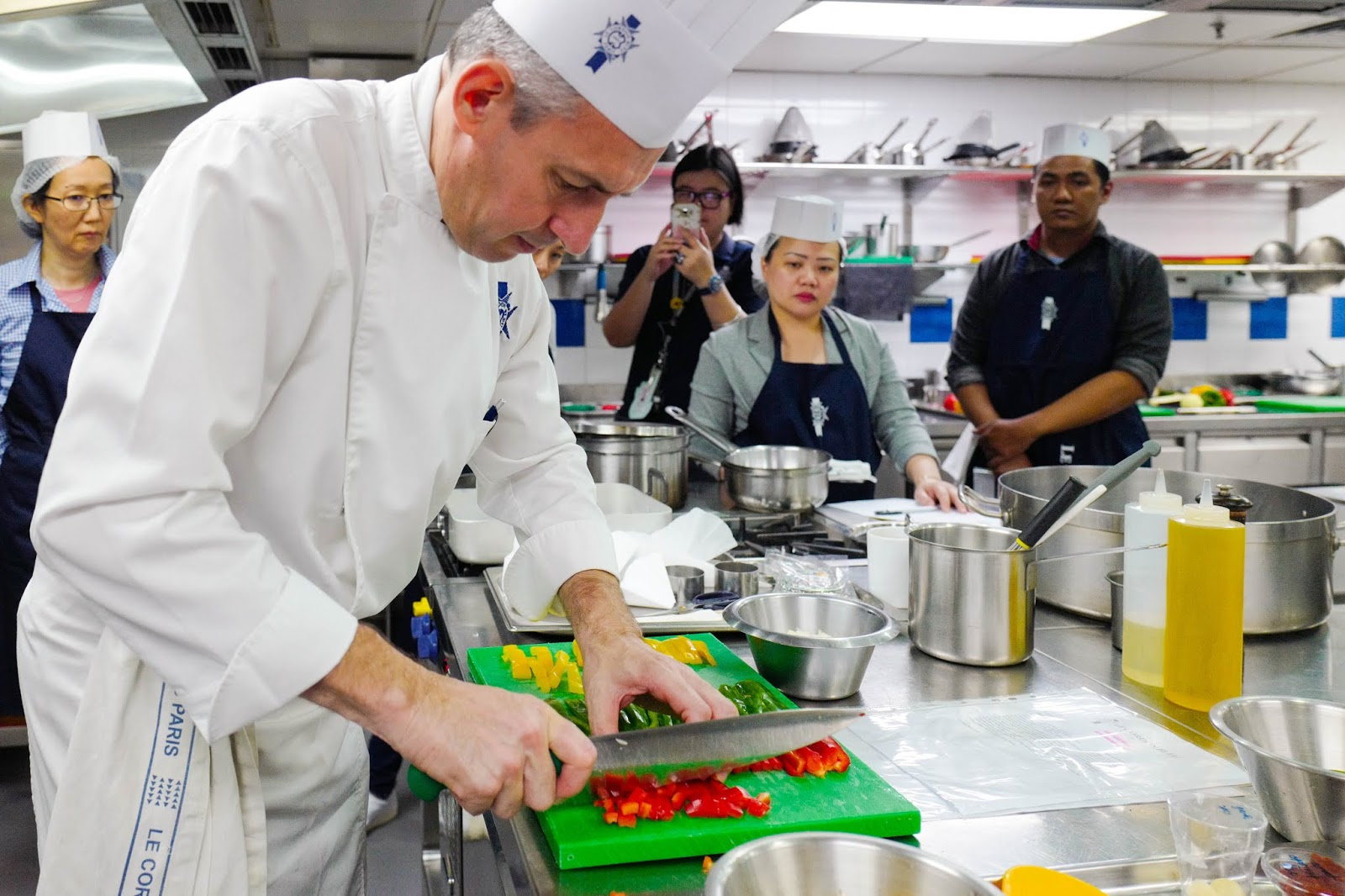
At Le Cordon Bleu Malaysia, the plant-based curriculum is delivered as the Diploma in Plant-Based Culinary Arts, with separate tracks for Cuisine and Pâtisserie. The Cuisine diploma is a full-time, on-campus programme typically run over three months, with intakes usually in April .
The Pâtisserie track follows a similar structure, with intakes generally offered in July.
Both are designed around hands-on kitchen practice, with substantial weekly contact hours so students build muscle memory alongside theory.
Entry is open to beginners. There is no requirement for prior culinary experience, and the minimum age is typically 17, making the diploma accessible to school leavers, career changers and experienced home cooks alike.
| Programmes |
Focus |
Duration |
Intakes |
| Diploma in Plant Based Culinary Arts- Cuisine |
No animal-derived ingredients, including milk, dairy products and eggs, are used. You’ll learn how to create plant-based alternatives and use them to achieve delicious flavours and textures in your dishes. |
3-Month, Full time |
April |
| Diploma in Plant Based Culinary Arts - Pâtisserie |
No animal-derived ingredients, including milk, dairy products and eggs, are used. You’ll learn how to create plant-based alternatives and use them to achieve delicious flavours and textures in your dishes. |
3-Month, Full time |
July |
Who This Course Is Actually For
The biggest misconception around plant-based training is that it only appeals to vegans or vegetarians. In practice, the student mix is far broader.
Chefs Widening Their Skill Set
Professional cooks add plant-based expertise to stay relevant as more menus include dedicated vegetarian and vegan sections.
Career Changers Entering Food Sustainably
Some students arrive with no kitchen background at all, drawn by the growing intersection of food, health and environmental responsibility.
Health-Conscious Home Cooks Going Professional
Not everyone enrolls to open a restaurant. Some simply want formal grounding in a way of cooking they already practise at home.
Entrepreneurs Building Future Food Businesses
Plant-based cafes, catering services and product lines are growing categories, and a diploma gives founders credible technical grounding before launching.
Why Employers Now Demand This Qualification
Plant-based menus are no longer confined to specialist restaurants. Hotels, catering companies and mainstream restaurants increasingly want at least one chef on staff with genuine plant-based competence. That demand is what has pushed institutions like Le Cordon Bleu to introduce dedicated diplomas rather than treating plant-based cooking as a short add-on module.
A formal qualification signals to employers that you understand ingredient science, sustainable sourcing principles and professional kitchen standards, not just personal dietary preference. It also carries international recognition, since Le Cordon Bleu's plant-based diplomas sit within the same academic framework as its traditional cuisine and pâtisserie qualifications.
Ready to Start Your Journey?
Plant-based cooking has grown from a niche interest into a genuine culinary specialism with real career pathways attached.
Whether you are a working chef, a curious home cook or someone planning a future food business, structured training gives you a foundation that self-teaching simply cannot replicate.
If you would like to learn more about the Diploma in Plant-Based Culinary Arts in Cuisine or Pâtisserie, explore the programme pages on the Le Cordon Bleu Malaysia website or get in touch with the admissions team to discuss intakes and entry requirements.
Frequently Asked Questions
What is a plant-based cooking course?
A plant-based cooking course teaches culinary techniques built entirely around vegetables, mushrooms, fruits, nuts, seeds, grains and pulses. It covers ingredient knowledge, cooking methods and menu development, aiming to produce dishes with the same depth and finish as traditional cuisine, but without relying on animal products.
What is typically included in a plant-based culinary diploma?
Programmes generally include hands-on kitchen sessions, ingredient and product knowledge, technique-based instruction and guided menu creation. Exact structure varies by provider and track, whether cuisine or pâtisserie, so it is worth checking the specific curriculum, contact hours and intake dates before applying.
Who is a plant-based cooking course suitable for?
These courses suit working chefs expanding their skills, career changers entering the food industry, health-conscious home cooks and aspiring entrepreneurs. They are not limited to vegans or vegetarians. Many students simply want professional grounding in an increasingly important area of modern cuisine.
When should I start planning to enroll in a plant-based course?
Since intakes are typically offered only once or twice a year depending on the track, it is sensible to start researching entry requirements and application deadlines several months in advance. Timelines can vary depending on the institution and programme, so early planning helps avoid missing a preferred intake.
What should I expect in terms of duration and workload?
Full-time plant-based diploma programmes commonly run for around three months, with substantial weekly hours combining practical kitchen time and theory. Expect an intensive, hands-on schedule rather than a casual weekend workshop, particularly at diploma level.
Is plant-based cooking training less rigorous than traditional culinary qualifications?
This is a common misconception. Plant-based diplomas are generally structured with the same academic rigour as traditional cuisine and pâtisserie programmes. Students still learn fundamental techniques, ingredient science and professional kitchen discipline, simply applied to a plant-focused menu rather than being a lighter alternative.
How do I choose the right provider for a plant-based cooking course?
Look at the institution's overall culinary reputation, the depth of the curriculum and whether instructors have genuine plant-based specialist experience. Consider entry requirements, intake availability, whether the qualification carries international recognition and how well the course structure matches your existing experience level.
Do I need prior experience to start a plant-based cooking course?
Most plant-based cooking course programmes are designed to welcome complete beginners alongside those with some kitchen background. At Le Cordon Bleu Malaysia, for example, the minimum age is typically 17 and no prior culinary experience is required, making the diploma accessible whether you are starting a first career or adding a new specialism to an existing one.
For more information, WhatsApp us at 019-305 2586 or email to malaysia@cordonbleu.edu.