What to Look for in a Culinary School: Everything Aspiring Chefs Need to Know Before Enrolling
LE CORDON BLEU MALAYSIA
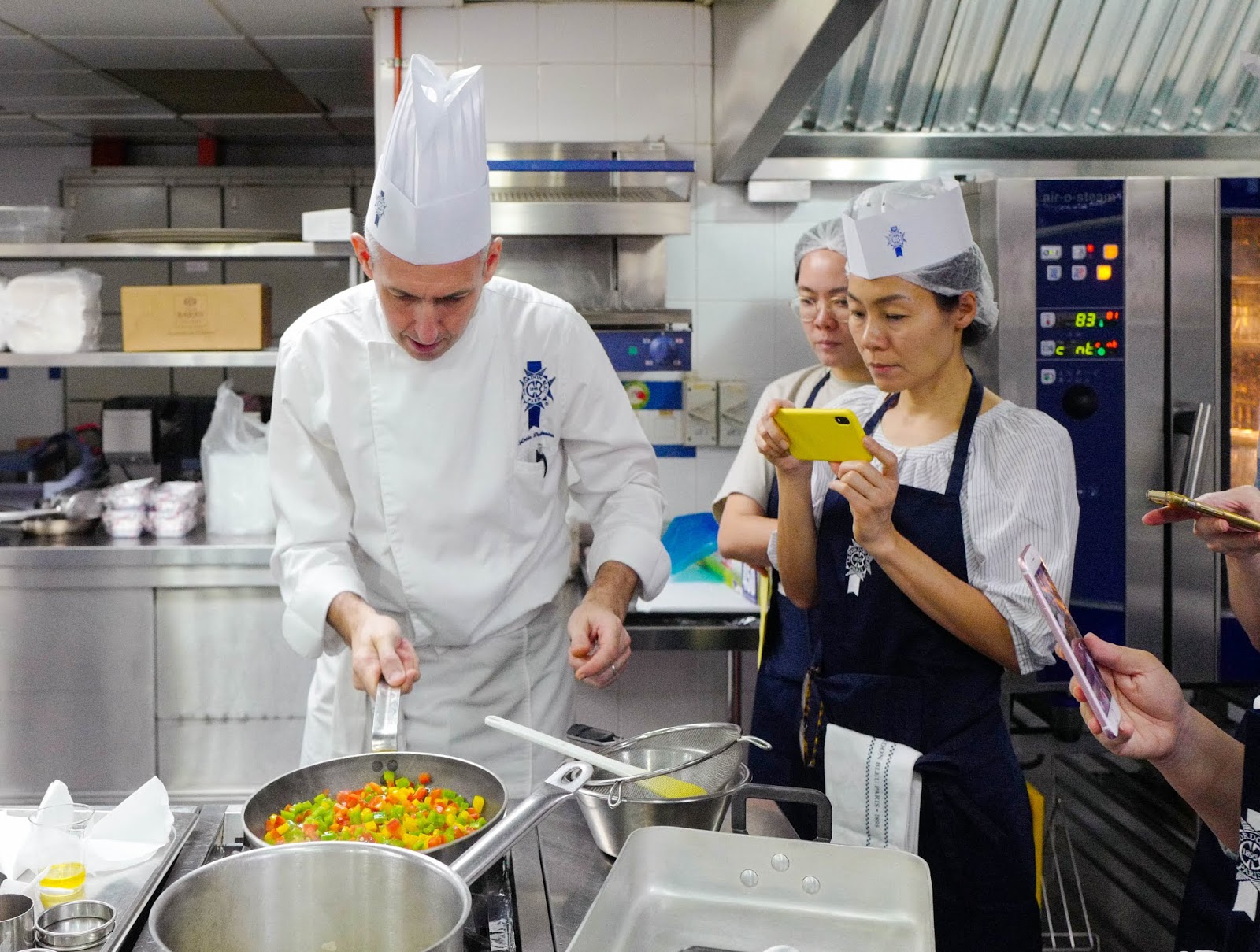 Choosing a culinary school is not like picking a weekend pastry workshop.
You are committing months of your life, thousands of ringgit and the foundation of your entire culinary career to one decision. Get it wrong and you could end up with a certificate that employers do not recognise, outdated techniques that do not translate to real kitchens or debt with nothing to show for it.
This guide walks you through the exact criteria that separate schools worth your investment from those that are not, so you can enrol with confidence and graduate ready to work.
Key Takeaways
- Accreditation from bodies ensures your culinary school qualification will be recognised by employers and meets national education standards
- Industry-standard facilities including commercial-grade kitchens, modern equipment and sufficient workspace per student directly impact the quality of hands-on training you receive
- Structured internship programmes with established hotel, restaurant and catering networks provide the real-world experience that bridges classroom learning and professional employment
- Instructor credentials, class sizes and graduate employment outcomes reveal whether a culinary school delivers genuine career preparation or just basic cooking lessons
Accreditation Is Not Negotiable
Before you look at campus photos or course brochures, check accreditation status.
International accreditation adds another layer of recognition. Culinary schools affiliated with globally recognised institutions such as Le Cordon Bleu offer qualifications that employers across Asia, Europe and beyond understand and value, which matters if you plan to work internationally or join multinational hotel groups.
Facilities Reveal How Seriously a School Takes Training
Walk into the kitchens before you sign anything.
Commercial-grade equipment is the baseline. Culinary students need to train on the same ovens, mixers, blast chillers and induction hobs they will use in professional kitchens. Schools that cut costs on equipment produce graduates who struggle to adapt when they start work.
What to Look for During a Campus Visit
- Commercial ovens and ranges, not domestic appliances
- Adequate workspace per student, with individual stations for hands-on practice
- Separate kitchens for different disciplines such as pastry, hot kitchen and bakery
- Walk-in chillers and freezers for ingredient storage
- Modern plating and presentation areas that reflect current industry standards
- Clean, well-maintained facilities that meet food safety regulations
Class sizes matter as much as equipment. A culinary school that packs thirty students into a kitchen designed for fifteen compromises individual attention, practice time and safety. Smaller class sizes mean more instructor feedback, more hands-on repetition and better skill development.
Instructor Credentials Directly Impact What You Learn
Your instructors are the bridge between theory and professional reality.
Check their backgrounds. The best culinary instructors combine formal qualifications and teaching experience with years of industry experience in hotels, restaurants, or catering operations. They have worked at different stations, managed the pressure, and understand what employers expect from graduates.
Ask about chef-to-student ratios during practical sessions. One instructor supervising thirty students cannot provide meaningful feedback or correct technique errors in real time. Look for schools that maintain ratios allowing individual attention during kitchen labs.
Guest chef programmes and masterclasses add depth. Schools that regularly bring in working chefs from leading hotels and restaurants expose students to current industry practices, trends and professional networks that can lead to internships or employment.
Internships Are Where Classroom Skills Become Career Skills
A culinary school without structured internship placements is teaching you to cook, not preparing you for a career.
Industry placements give you exposure to real kitchen operations, brigade systems, service pressure and the pace of professional cooking that no classroom can replicate. They also build your professional network and often lead directly to job offers.
Questions to Ask About Internship Programmes
- Is there internship placement?
- How long does the placement last?
- Does the school have established partnerships with hotels, restaurants and catering companies?
- Do students receive supervision and feedback during placements?
- What percentage of graduates secure employment through internship connections?
Schools with strong industry relationships place students in five-star hotels, established restaurants and reputable catering operations. Weak or non-existent internship networks leave you searching for placements on your own, often settling for unpaid positions with little structured learning.
Curriculum Depth Separates Professional Training from Hobby Classes
A comprehensive culinary school curriculum covers far more than recipes and cooking techniques.
Professional chefs need to understand food safety and hygiene, menu costing and planning, inventory management, kitchen operations and team leadership. Programmes that focus only on cooking skills without these supporting areas leave graduates unprepared for the full scope of culinary roles.
This broader foundation is one of the clearest distinctions between self-taught cooks and professionally trained chefs, particularly when graduates step into fast-paced commercial kitchens.
Look for programmes that include practical business skills if you have entrepreneurial ambitions. Understanding food costs, supplier relationships and basic business operations is critical if you plan to open your own restaurant, café or catering business.
Graduate Outcomes Tell You What Happens After You Finish
Ask the culinary school for employment statistics and be specific. What percentage of graduates find employment within six months of completing the programme? Where do they work? What roles do they start in?
Schools confident in their outcomes will share this information. Vague answers or reluctance to provide data is a warning sign.
Alumni networks also matter. Established culinary schools have graduates working across Malaysia's hospitality industry and internationally. These connections open doors for job referrals, mentorship and career advice that newer or less reputable schools cannot offer.
Cost and Value Are Not the Same Thing
Tuition fees for culinary school programmes in Malaysia vary widely, from a few thousand ringgit for short certificate courses to tens of thousands for full diplomas or degrees.
The cheapest option is rarely the best investment. Compare what you receive for the fees: contact hours, equipment access, internship placements, instructor credentials and qualification recognition all contribute to value.
Funding arrangements can still ease the financial commitment. Many culinary schools offer installment plans, scholarships or other forms of student support that make professional training more accessible. Be sure to ask about all available options when comparing programmes.
Consider the long-term return on your education by looking at graduate career trajectories rather than focusing solely on starting roles. Culinary professionals who continue developing their skills and progress into supervisory and leadership roles often enjoy significantly greater responsibility, mobility and earning potential over time. A programme with strong industry connections and clear advancement pathways is therefore likely to deliver greater value than one that simply has the lowest tuition fee.
Location and Campus Culture Shape Your Daily Experience
You will spend months on campus. Location and environment matter more than most prospective students realise.
Culinary schools located in major cities such as Kuala Lumpur offer easier access to industry events, guest chef sessions and networking opportunities. They also place you closer to the hotels and restaurants where you will likely seek employment or internships. These locations also tend to provide stronger support networks and cultural familiarity for international students seeking to study and build careers in Malaysia.
Campus culture affects learning. Visit during class hours if possible. Observe how instructors interact with students, whether kitchens feel professional and organised, and if students seem engaged or just going through the motions.
Support services including career counselling, academic advising and student welfare also contribute to your success. Culinary training is demanding, and schools that provide structured support help students navigate challenges and stay on track to graduation.
Choosing Your Culinary School with Confidence
The right culinary school does more than teach you to cook. It prepares you for a professional career, connects you with industry networks and gives you a qualification that employers recognise and respect.
Prioritise accreditation, instructor credentials, industry-standard facilities and structured internship programmes. Ask direct questions about graduate employment outcomes, and visit campuses to assess the learning environment firsthand.
If you are ready to explore a globally recognised culinary education in Malaysia, Le Cordon Bleu offers programmes that combine classical French techniques with modern culinary practice, supported by international accreditation and strong industry partnerships.
For more information, WhatsApp us at 019-305 2586 or email to malaysia@cordonbleu.edu.