From Sourdough to Croissants: What a Professional Bread Baking Course Actually Covers
LE CORDON BLEU MALAYSIA
 Walk into any artisan bakery and you'll see rows of golden croissants, crusty sourdough loaves and perfectly shaped baguettes that seem almost too beautiful to eat.
But here's what most people don't realise: those breads aren't the result of luck or intuition. They're the product of precise technique, controlled fermentation and structured training that takes bakers from guessing to knowing.
A professional bread baking course teaches you the science and craft behind every loaf, giving you the skills to recreate bakery-quality breads with consistency and confidence.
Key Takeaways
- Professional bread baking courses cover foundational techniques, from dough mixing to fermentation control and shaping methods.
- Students learn to make a wide range of breads, including sourdough, enriched doughs, laminated pastries like croissants and artisan loaves.
- Training includes both the science of baking (ingredient ratios, gluten development, temperature) and the artistry of presentation.
- Hands-on practice under expert guidance helps build muscle memory and the ability to troubleshoot common baking challenges.
Why Bread Baking Needs More Than a Recipe
Anyone can follow a recipe, but not everyone can bake bread that rises perfectly, has the right crumb structure and tastes exceptional every single time.
That's because bread baking is as much about understanding the process as it is about following steps. Humidity, temperature, mixing time and dough handling all affect the final result, and these variables change from day to day.
Professional training teaches you how to read dough, adjust on the fly and understand what's happening beneath the surface. It's the difference between copying instructions and mastering a craft.
The Foundation: Dough Mixing and Gluten Development
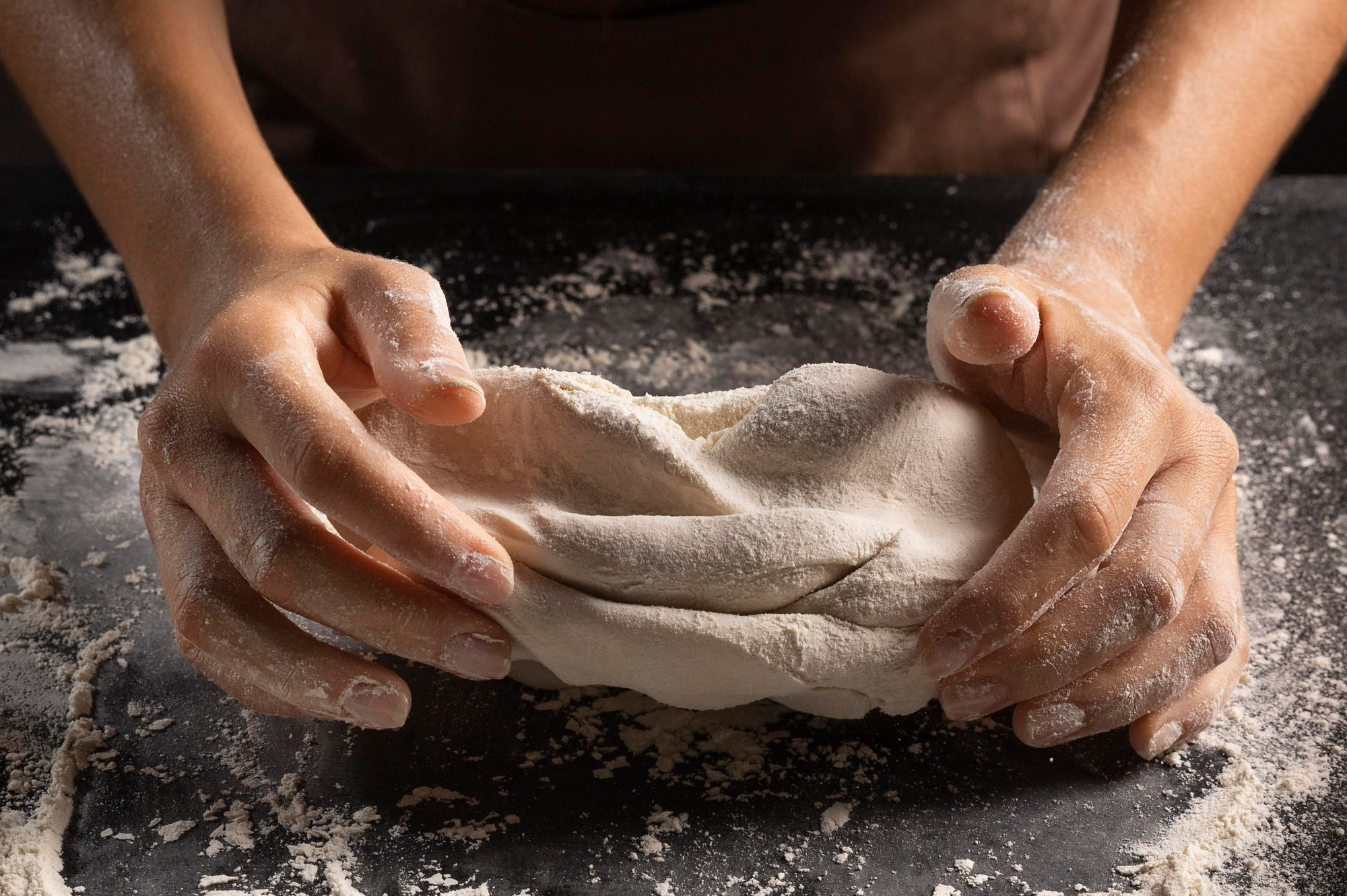
Every professional bread baking course begins with the basics: how to mix dough properly and develop gluten structure. You'll learn how different mixing methods (autolyse, stretch and fold, kneading) affect texture and strength.
You'll understand why some doughs need vigorous kneading while others benefit from gentle handling.
This foundation is critical because gluten development determines whether your bread will be chewy, tender, airy or dense. Get it wrong and no amount of shaping or baking will fix it.
Fermentation: The Secret to Flavour and Texture
Fermentation is where bread develops its character. It's not just about letting dough rise; it's about controlling time, temperature and microbial activity to create depth of flavour. In a structured course, you'll learn:
- Bulk fermentation and proofing times, including the role of yeast versus natural starters
- How to recognise dough stages, whether under-proofed, over-proofed or just right
- Sourdough starter maintenance, managing fermentation schedules over time
- The tangy complexity that defines artisan sourdough bread and how to develop it
Shaping Techniques That Make Breads Look Professional
Shaping is where technique meets artistry. A well-shaped loaf isn't just prettier; it also bakes more evenly and develops better structure.
Professional courses teach you how to shape baguettes, boules, batards and rolls with precision. You'll practise creating surface tension, scoring patterns and handling dough without deflating it.
These skills require repetition and feedback, which is why hands-on training under expert instructors makes such a difference. You're not just watching a video; you're getting real-time correction as you work.
From Simple Loaves to Complex Laminated Doughs
A comprehensive bread baking course doesn't stop at basic loaves. It introduces you to a wide range of bread types, each with its own techniques and challenges.
- Artisan Breads Learn to make rustic loaves that embody true artisan bread, with open crumb structures, crusty exteriors and complex flavours. These breads rely on long fermentation and careful handling.
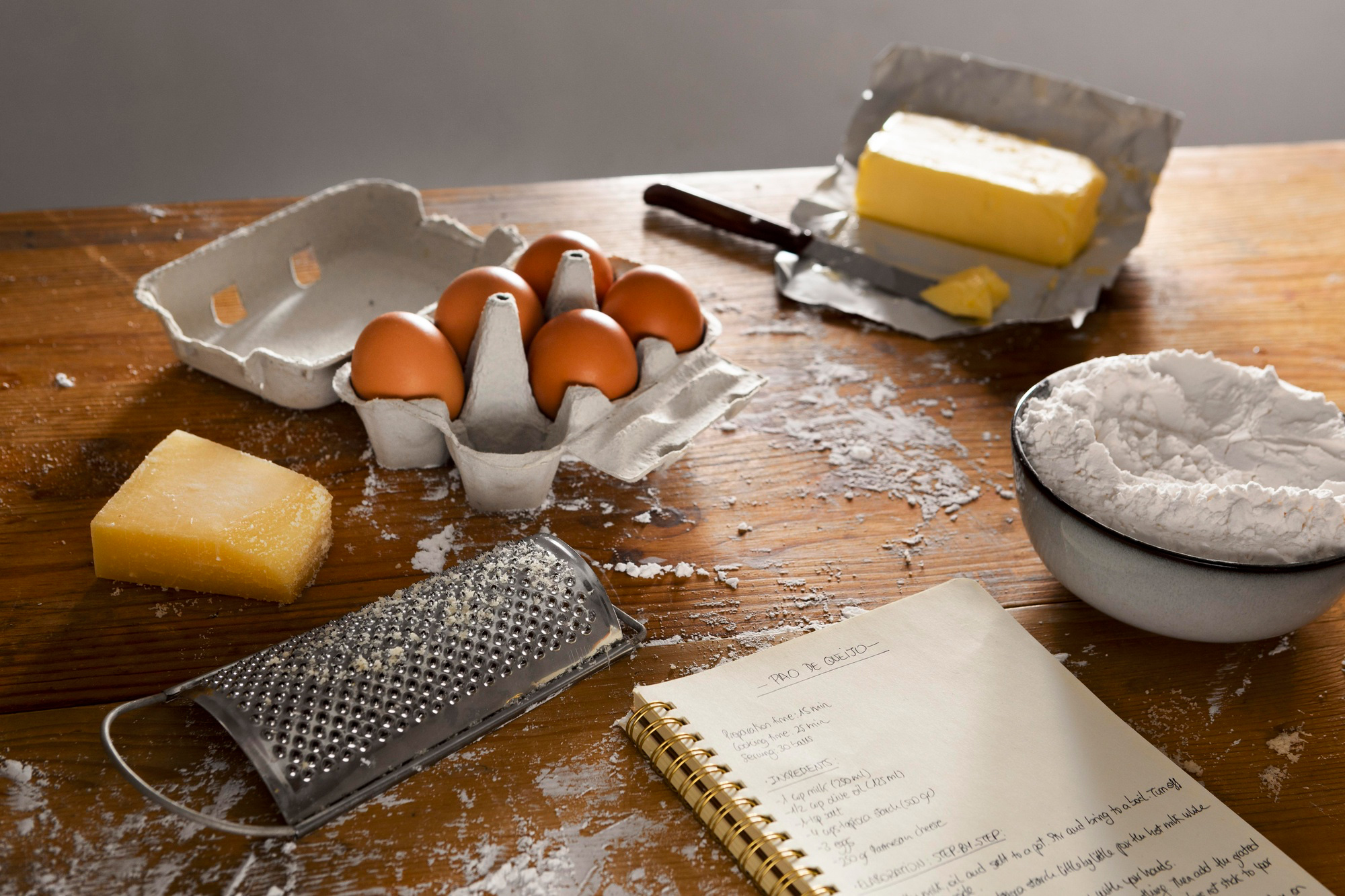
- Enriched Doughs Discover how to work with doughs that contain butter, eggs, milk and sugar. Think brioche, challah and soft dinner rolls that require different mixing and proofing approaches.
- Laminated Pastries Master the art of lamination to create croissants, Danish pastries and pain au chocolat. This technique involves folding butter into dough repeatedly to create hundreds of flaky layers.
- Specialty Breads Explore regional and specialty breads such as focaccia, ciabatta, pretzels and flatbreads. Each one teaches you new methods and expands your repertoire.
Troubleshooting Common Baking Problems
Even experienced bakers encounter issues: dense crumb, pale crust, uneven rise or gummy texture. A professional course teaches you how to diagnose these problems and correct them.
You'll learn what causes common failures and how to adjust hydration, fermentation time, shaping technique or oven settings to fix them. This problem-solving ability is what separates confident bakers from frustrated ones.
Who Should Join a Bread Baking Course?
Professional bread baking courses welcome a wide range of students:
- Complete beginners wanting a solid introduction to bread making
- Home bakers looking to refine their existing skills
- Aspiring bakery owners who need the technical foundation to open their own business
- Home enthusiasts who want to understand the why behind every step and deepen their results
- Culinary professionals looking to add bread and pastry skills to their repertoire through focused, hands-on instruction
What Makes Le Cordon Bleu Malaysia's Approach Different
At Le Cordon Bleu Malaysia, bread baking courses are built on classical French techniques adapted to modern practice. Students train in professional kitchens, learning from experienced chef instructors who bring international expertise to every session.
The curriculum covers both basic and advanced bread baking, including the Diplôme de Boulangerie, which takes students through foundational skills to complex artisan techniques. Whether you're enrolling in a certificate programme or a short course, you'll gain practical experience that translates directly to real-world baking.
The focus is on hands-on learning: you'll mix, shape, proof and bake yourself, with guidance at every stage. This approach builds muscle memory and confidence that can't be learned from a book or video alone.
Build Skills That Last a Lifetime
Bread baking is both an ancient craft and a constantly evolving art. Whether you're shaping a rustic sourdough or layering butter into croissant dough, every loaf you bake is an opportunity to refine your technique and deepen your understanding.
A professional bread baking course gives you the structure, feedback and practice you need to move from uncertainty to mastery. It's an investment in skills that will serve you for years, whether you're baking for yourself, your family or your future business.
If you're ready to learn what professional bakers know, explore the bread baking programmes at Le Cordon Bleu Malaysia and discover what's possible when technique meets passion.
For more information, WhatsApp us at 019-305 2586 or email to malaysia@cordonbleu.edu.