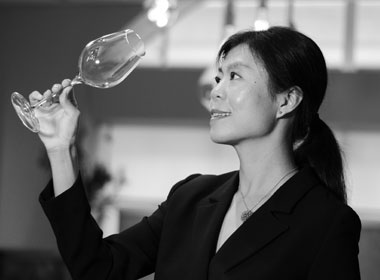
A Café with Alumni: Jiachen Lu, Diploma in Wine, Gastronomy and Management graduate.
In this interview we caught up with former Le Cordon Bleu London student Jiachen Lu, who graduated with our Diploma in Wine, Gastronomy and Management.
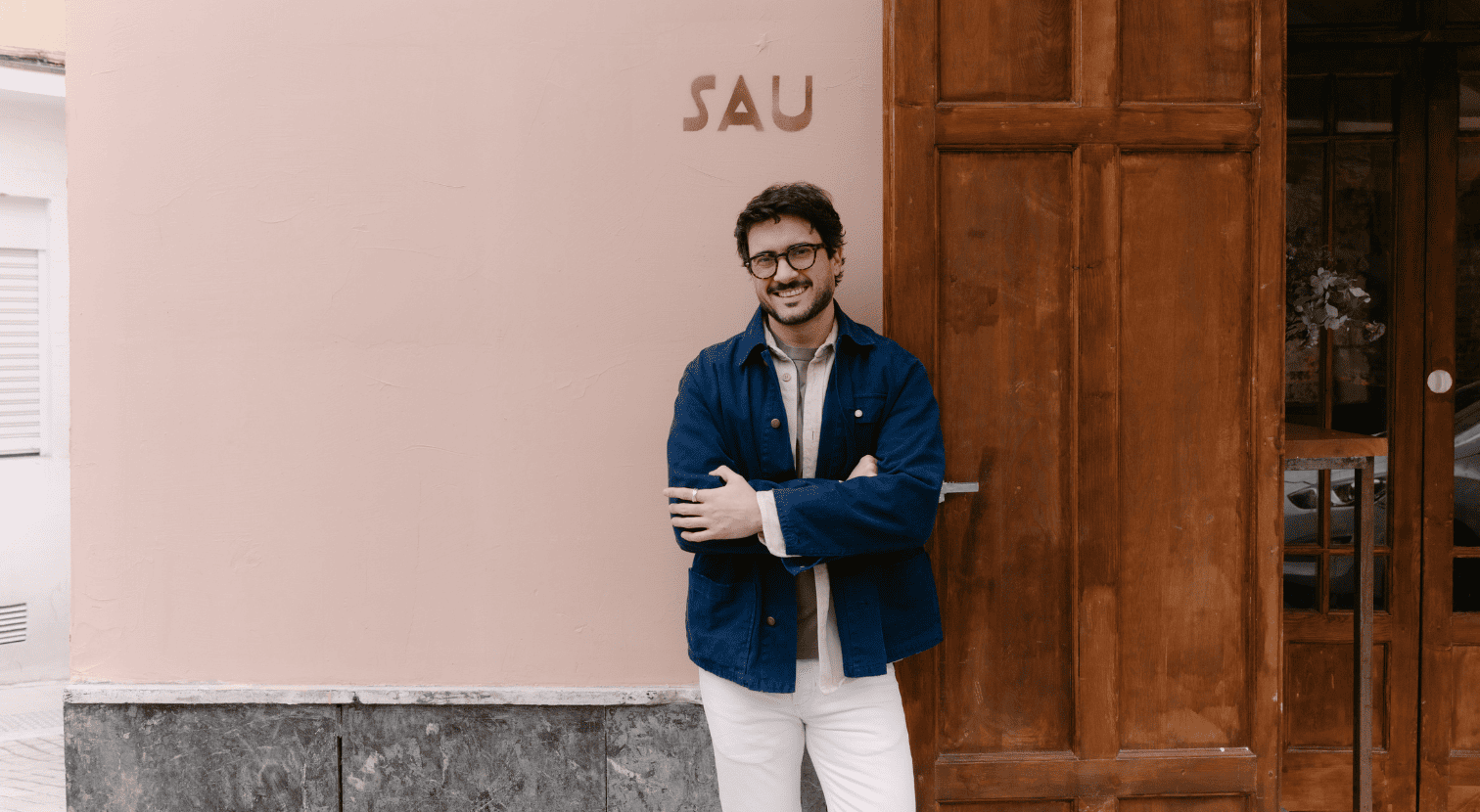
Wagner Rusca, a 2025 Le Cordon Bleu Paris Cuisine Diploma with honours graduate, is one of those chefs whose journey can already be interpreted through his dishes. In Madrid, he recently opened SAU Taberna entre Aguas, a personal project that celebrates the sea, technical precision, coastal cuisines and a deep respect for ingredients. Shaped by Brazilian, Italian and French influences, his cuisine blends technique, sensitivity and openness to the world. A unique establishment driven by a generous and contemporary vision, where the heritage of French cuisine, perfected at Le Cordon Bleu Paris institute, meets emotion, identity and creativity.
After several years working in kitchens in Madrid, you decided to study for the Diplôme de Cuisine at Le Cordon Bleu Paris, where you graduated with honours in 2025. What led you to take such a step at that point in your career?
After several years in professional kitchens, I felt the need to push myself further and refine my techniques. I learnt a great deal through hands-on experience, at the fast pace of a real kitchen, but I still lacked more structured foundations that would help me better understand the purpose behind every gesture, ingredient and method.
That is what led me to Le Cordon Bleu Paris. More than a strategic decision, it was both a personal and a professional necessity. I was looking for discipline, precision, but also that pursuit of excellence that is so intrinsic to French cuisine. This experience gave me very solid foundations on which to continue building my own culinary identity.
You described your time in Paris as a highly inspiring, almost artistic period. What did the experience give you, both personally and in the way you approach cooking today?
Paris was a very special chapter in my life, almost a rebirth. I have always been fascinated by the role the city has played in the journeys of so many artists, and I felt something similar through cuisine. Living in Paris and studying at Le Cordon Bleu Paris meant stepping into a world of sensitivity, technique and inspiration.
The city, the markets, the institute, its gastronomic history - everything sharpens your perspective there. It was where I discovered a more mindful and conscious way of approaching cuisine. It is not only about mastering technique, but also about understanding ingredients, the method and reasoning behind each dish.
On a personal level, Paris gave me real clarity. In culinary terms, it taught me that a dish is shaped not only by technique, but also by emotion, discipline and attention to detail. Today, I cook with greater confidence, but also with greater intention. In many ways, SAU was also born during that period.
During your training programme at Le Cordon Bleu Paris, you developed a particular affinity for fish and seafood. Which techniques, lessons or French culinary habits are still present at SAU today?
When I began studying at Le Cordon Bleu Paris, I wanted to immerse myself in the whole repertoire of French cuisine. It was there that I developed a real affinity for fish and seafood. I was fascinated by everything that can be created from these ingredients, from working with a whole fish to preparing fumets, veloutés and other elements that allow the product to be fully utilised.
Techniques and cooking methods also left a strong impression on me: confit, poaching, sautéing, and sauces such as beurre blanc. They may seem like small details, but they can completely transform a dish. I also learnt an approach grounded in respect for the ingredient, using it fully, and always aiming to bring out the very best in it.
All that remains very present at SAU today. We use traditional techniques with a more contemporary twist, evident in certain fish preparations and in our broths and consommés. In many ways, SAU reflects that technical training, reinterpreted through a more personal and modern language.
Brazilian, Italian and French influences all coexist in your cooking. How do these cultures interact at SAU, and how is that diversity reflected in your dishes?
My cuisine is strongly influenced by cultural blending. I was born in Brazil and have lived in Italy, Spain and Paris, so my culinary style has been shaped by a combination of different cultures, flavours and memories. I have also always been curious about other culinary traditions, especially those of Asia and the Middle East. All of this is part of my world.
At SAU, that blend is expressed very naturally. The restaurant draws inspiration from old coastal taverns, with a personal and contemporary twist. A good example is our take on pasta alle vongole: We take a traditional Italian recipe then reinterpret it with a butter-based sauce, from the French techniques I learnt at Le Cordon Bleu Paris, gochujang, cockles, grated bottarga and chives.
It is a dish that sums up my cuisine style extremely well: A dialogue between tradition, technique, memory and cultural exchange.
Although SAU is closely tied to the world of water and coastal cuisine, you have also chosen to include vegan dishes on the menu. What place does plant-based cuisine have in your culinary world today, and what do you enjoy exploring through it?
Plant-based cuisine has a very natural place in my culinary world today. It interests me not only for its sustainability, but also for its gastronomic potential. Reducing the role of meat opens new creative possibilities and encourages us to think differently about flavour, texture and intensity.
What fascinates me most is exploring technique through this kind of cooking. Working with stocks, jus, reductions and flavour concentrations made from mushrooms, roots or seaweed is something I find particularly exciting. It is another way of creating depth and complexity without relying on animal protein.
At SAU, plant-based cuisine is not simply an alternative; it is a genuine field of expression. Many of these dishes naturally connect with the restaurant’s identity, particularly through the use of seaweed, which brings salinity, umami and a direct link to the idea of a taberna entre aguas. The Plant-based dimension is absolutely part of SAU’s identity, and that of the future of cuisine.
In this interview we caught up with former Le Cordon Bleu London student Jiachen Lu, who graduated with our Diploma in Wine, Gastronomy and Management.
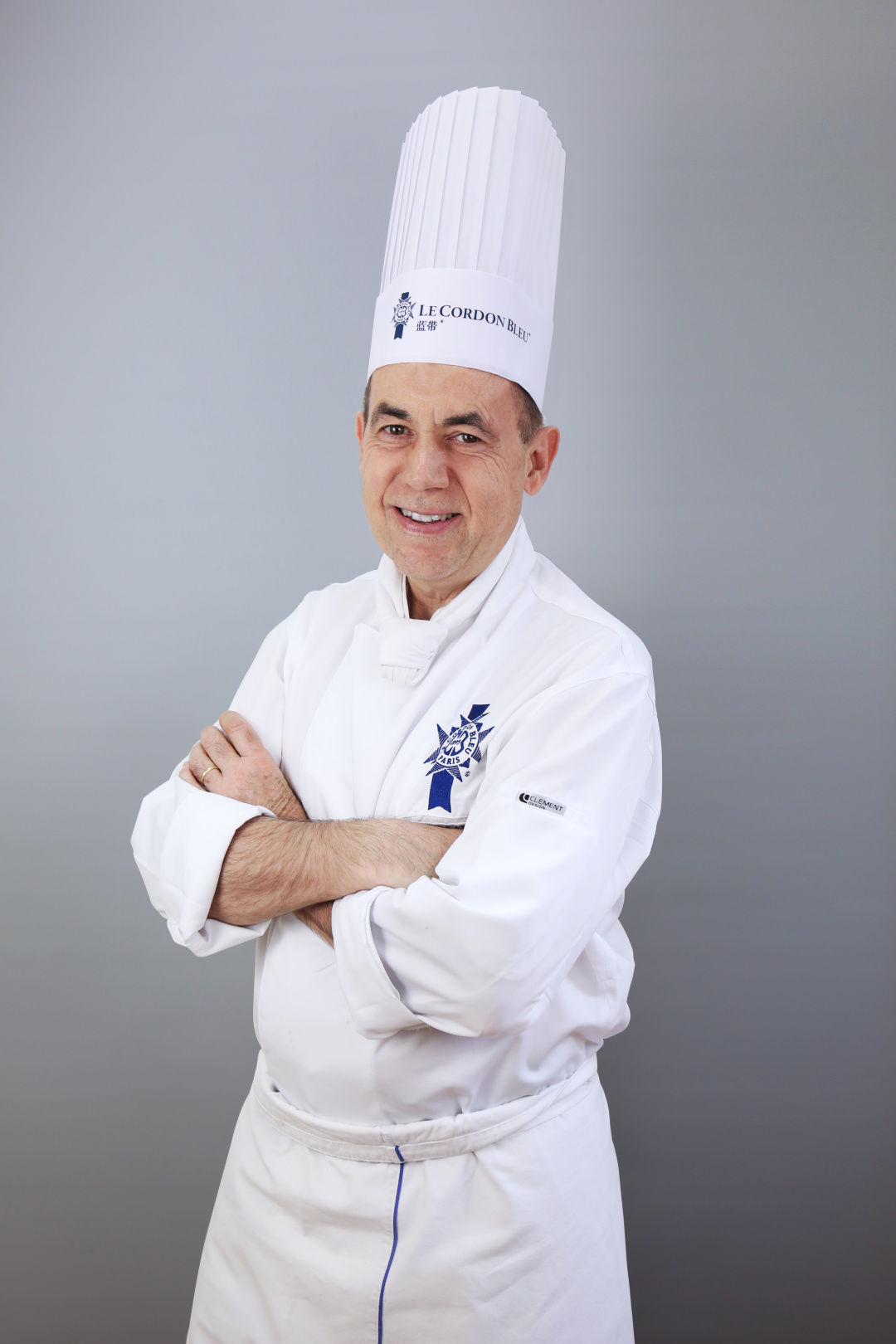
Philippe Labbé, former Chef of the famous Michelin-starred Tour d'Argent restaurant in Paris, joins Le Cordon Bleu Shanghai Culinary Academy in China as ...
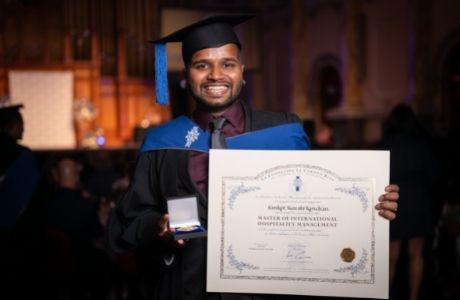
Le Cordon Bleu Australia is pleased to announce the launch of our new business degrees! Explore the new suite of higher education degrees with more flexible ...
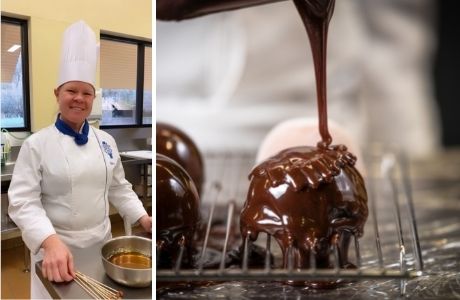
Whether you are a beginner baker or a budding pâtissier, Chef Jenni from Le Cordon Bleu Adelaide has given us her top three chef’s tips to improve your pastry ...
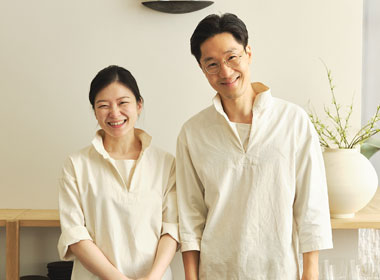
Le Cordon Bleu London is delighted to share the news that alumni owned restaurant, Sollip, has been awarded one Michelin-star in the Michelin Guide for the ...
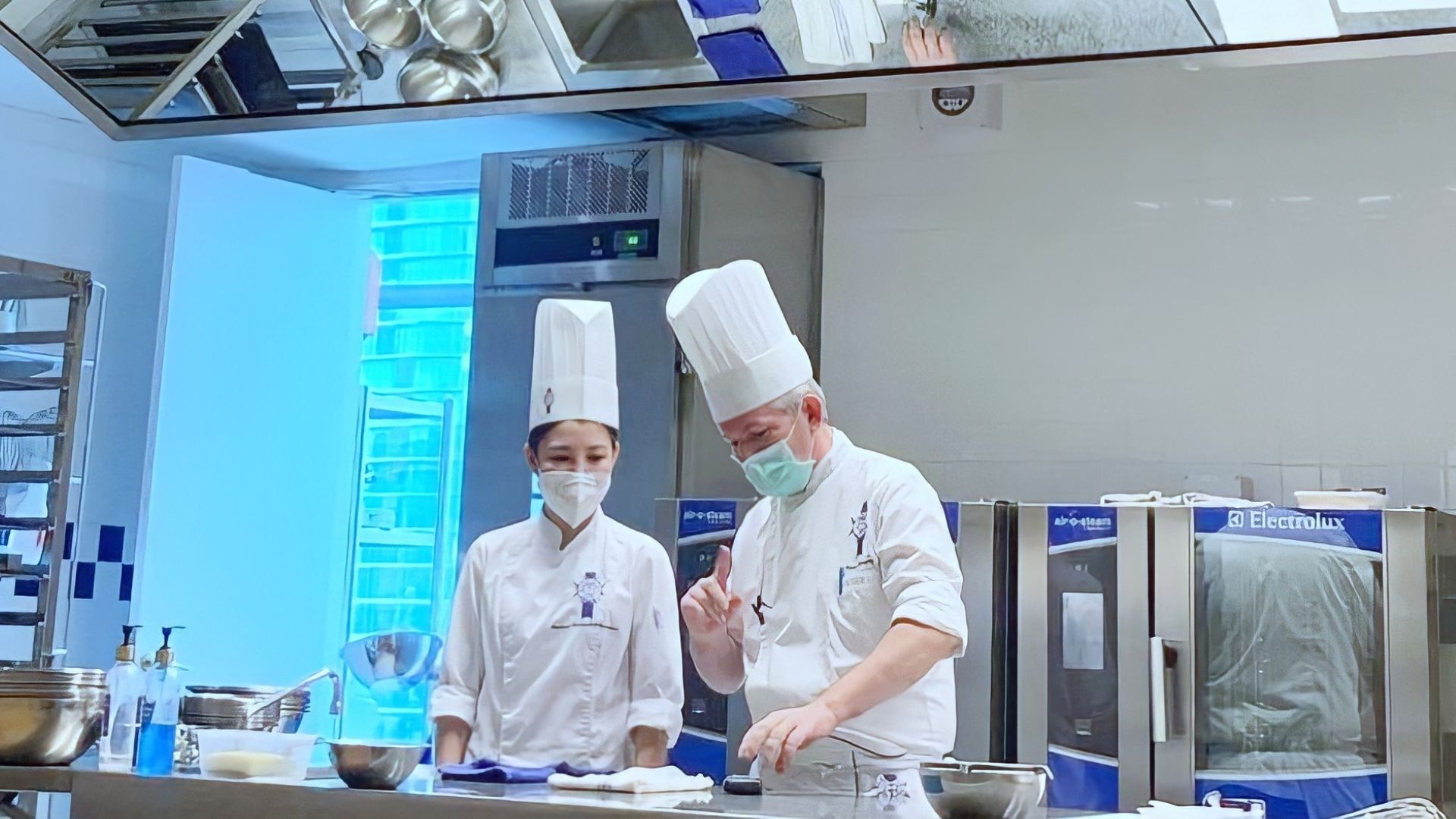
Chef Fern's Journal | Kesarin Rungpakdeesawat
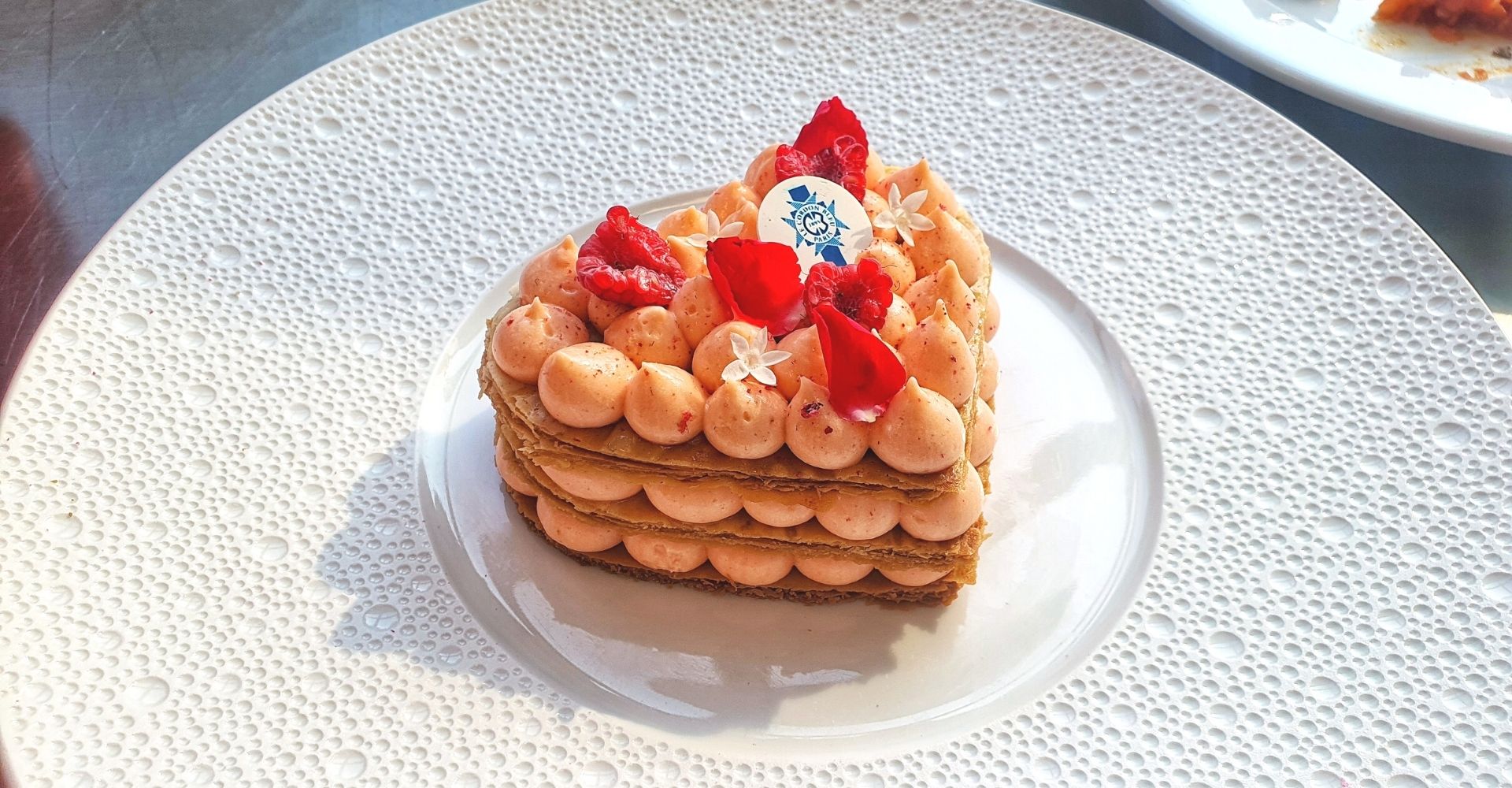
A wonderful and surprising recipe 'Lychee and Rosewater Mille-Feuille' for Valentine's Day created by Robert Veitch. This hearty and sweet recipe comprises of ...
David Scott is the course instructor for Principles of Gastronomy with Le Cordon Bleu Online Learning. Explore David’s insights of food from a social and ...
Le Cordon Bleu Adelaide Alumna Patricia d’Avila is a personal chef for Ipanema Kitchen and a Branch Coordinator for Meals on Wheels. Learn about Patricia’s ...
Copyright © 2026 Le Cordon Bleu International B.V. All Rights Reserved.