Le Cordon Bleu students awarded gold for the Dilmah Real High Tea Challenge
The global Dilmah Real High Tea Challenge completed the Australian leg of the competition with announcements made at a ‘Chart-tea’ event in Sydney recently.

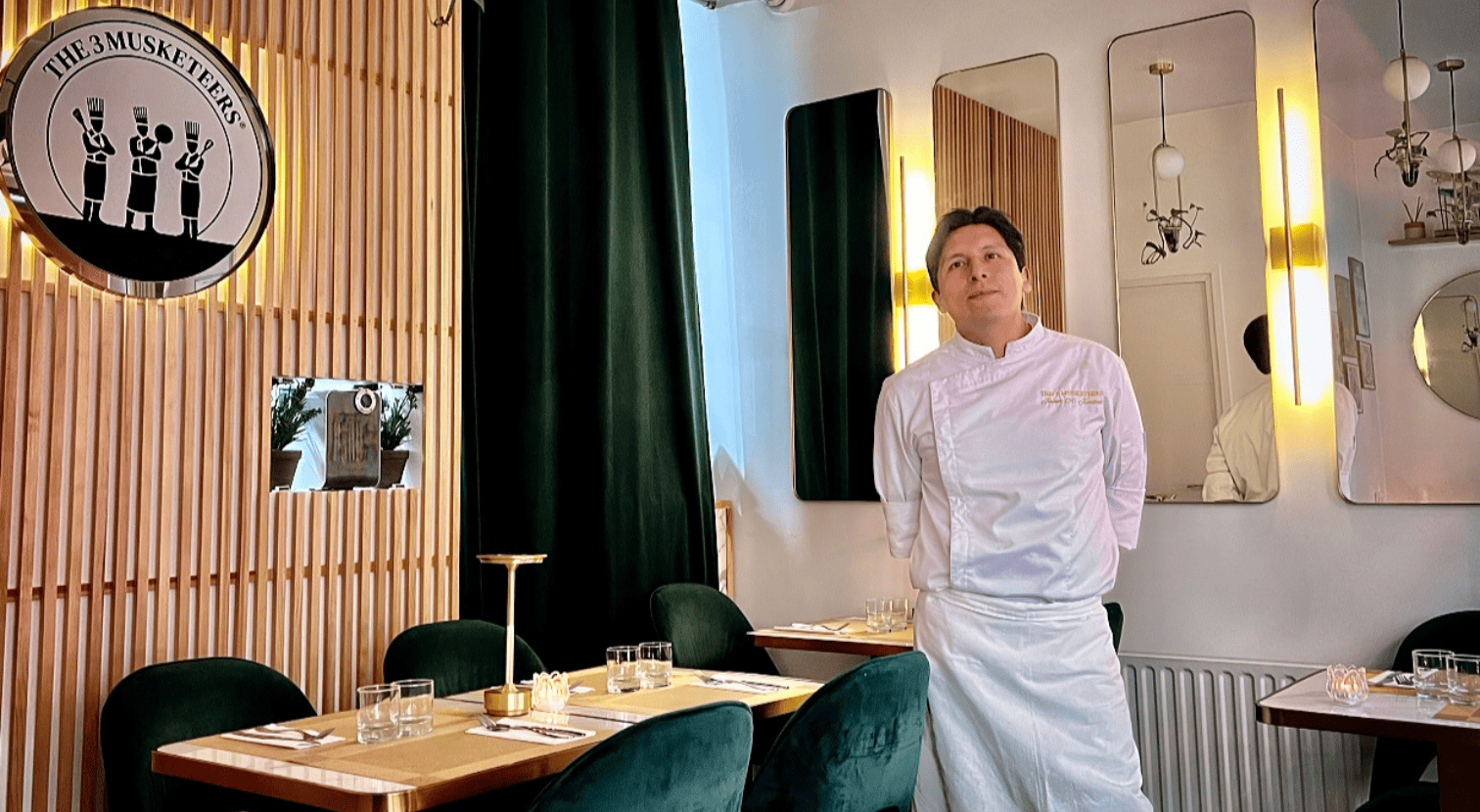
From Lima to London, and then Tokyo to Paris, Javier Jiménez has built an international career without ever losing touch with his roots. Having trained in Cuisine and Pâtisserie at our institute, he now brings technique, discipline and precision gained through his experience to The 3 Musketeers.
His cuisine is inspired by childhood memories, seafood and the distinctive flavours of ají peppers. Through his dishes, Javier aims to show that while ceviche may be the best-known symbol of Peruvian cuisine, it is only an introduction to a far richer culinary heritage. A tradition shaped over thousands of years, which he shares with sincerity, passion and immense pride.
1. After studying business in London, you decided to move to Paris and train at Le Cordon Bleu Paris. What led you towards this new path, and what did gastronomy mean to you at that stage in your life?
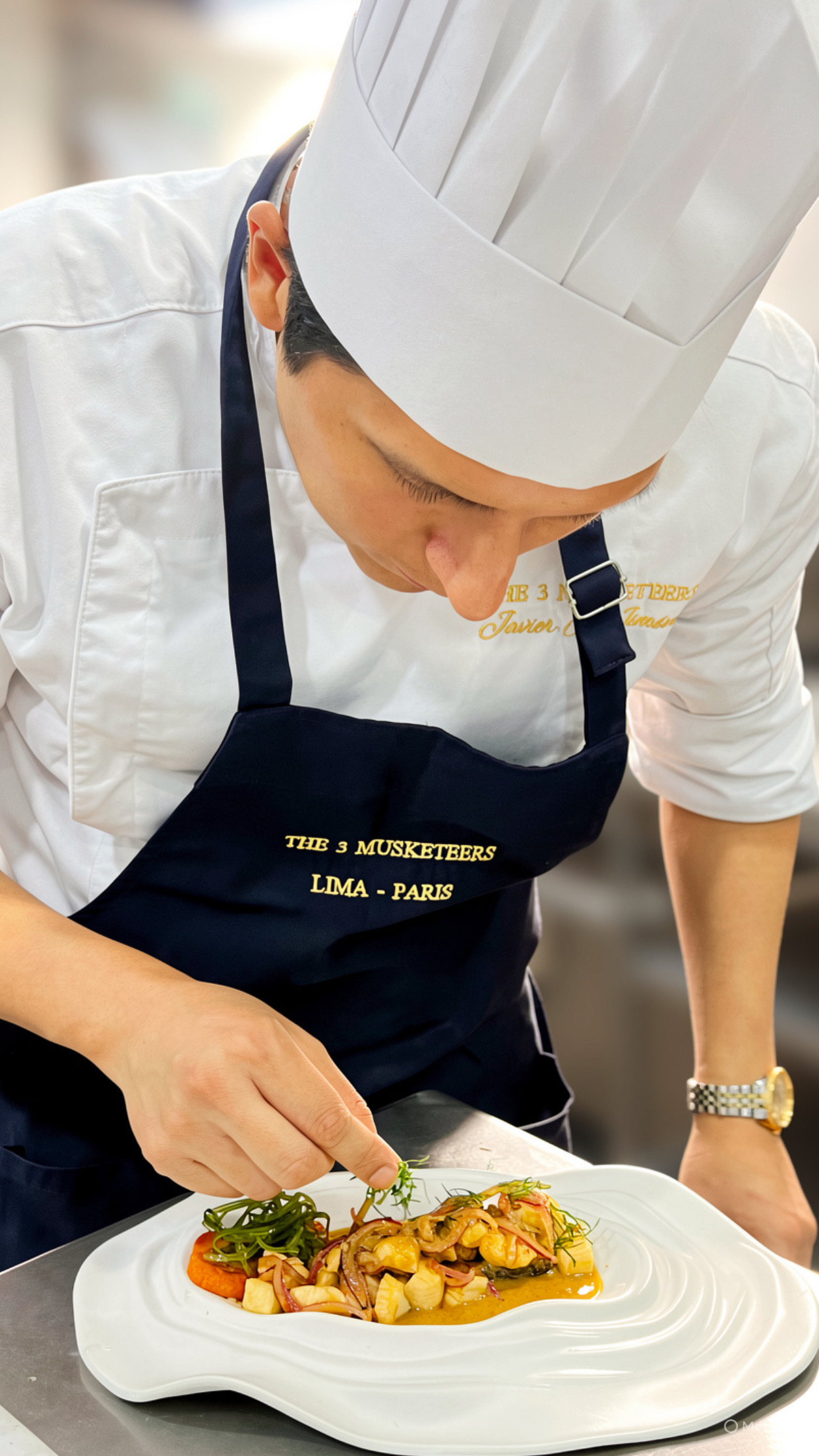 My journey into gastronomy was not so much a break with my past as a return to a passion that had always been there.
I grew up in Lima in a family with a strong entrepreneurial spirit. My parents instilled in me essential values: hard work, perseverance and curiosity. Although gastronomy was not our profession, food was very much part of our everyday life, especially through the times shared around the dining table.
From a young age, I understood that cooking was about far more than simply preparing a meal. It could convey emotion, create memories and bring people together.
In 2003, I moved to London to study business. The experience opened me up to the world and introduced me to other cultures, but above all, it made me appreciate everything the Peruvian cuisine I had grown up with has to offer: a cuisine with thousands of years of history, a strong identity and extraordinary diversity.
Gradually, the desire to share that culture and those emotions through food became impossible to ignore. That path led me naturally to Le Cordon Bleu Paris.
2. You studied both Cuisine and Pâtisserie at Le Cordon Bleu Paris. Looking back, what did that training give you that still shapes the way you cook, work and run your restaurant today?
Le Cordon Bleu Paris gave me far more than technical training. It instilled in me a real work ethic built on discipline, precision, consistency and total respect for the ingredients.
It taught me that every great cuisine is built on strong foundations, a thorough command of technique and constant attention to detail.
After graduating, I continued to build on those foundations through a range of professional experiences. I opened a pâtisserie in Lima, before having the opportunity to work at the Mandarin Oriental Tokyo. That experience had a profound impact on me, particularly because of its high standards, its respect for ingredients and its relentless pursuit of precision.
These experiences have enriched the way I work and my perspective on cooking. They have enabled me to refine my eye for detail and further develop the discipline, precision, and high standards that this profession demands.
Today, everything I have learnt along the way serves one clear ambition: to express Peruvian gastronomy with authenticity, precision and respect.
3. After completing your training, you chose to remain in Paris and open a restaurant dedicated to the cuisine of your home country. What does it mean to you to express such a strong Peruvian identity in a country that is not your own?
Bringing Peruvian cuisine to life in Paris is a great source of pride for me, but it also comes with a real sense of responsibility.
Peruvian gastronomy boasts a history spanning thousands of years, an incredible diversity of ingredients, and techniques passed down from one generation to the next. It is the result of a rich culinary heritage shaped over centuries by Peru’s different regions.
I am originally from Lima, so I naturally feel a strong connection to the cuisine of the coast, particularly its seafood. But I was also fortunate to travel extensively across Peru with my family, from the coast to the Andes and the Amazon. Through those journeys — from small family-run restaurants and local markets to the encounters that shaped my childhood — I developed a true taste memory of my country.
Those memories continue to inspire my cooking today. Sometimes, a single sip of leche de tigre is enough to transport me straight back to the Peruvian coast. Certain flavours have that rare ability to bring back memories, emotions and a whole world.
With The 3 Musketeers, I want to share that emotion and offer an experience that goes beyond the food itself: an encounter with a culture, a history and an identity.
4. At The 3 Musketeers, you champion authentic Peruvian cuisine, with ceviche at its heart and a strong Andean influence. How did you shape this concept, and what did you want Parisian diners to discover?
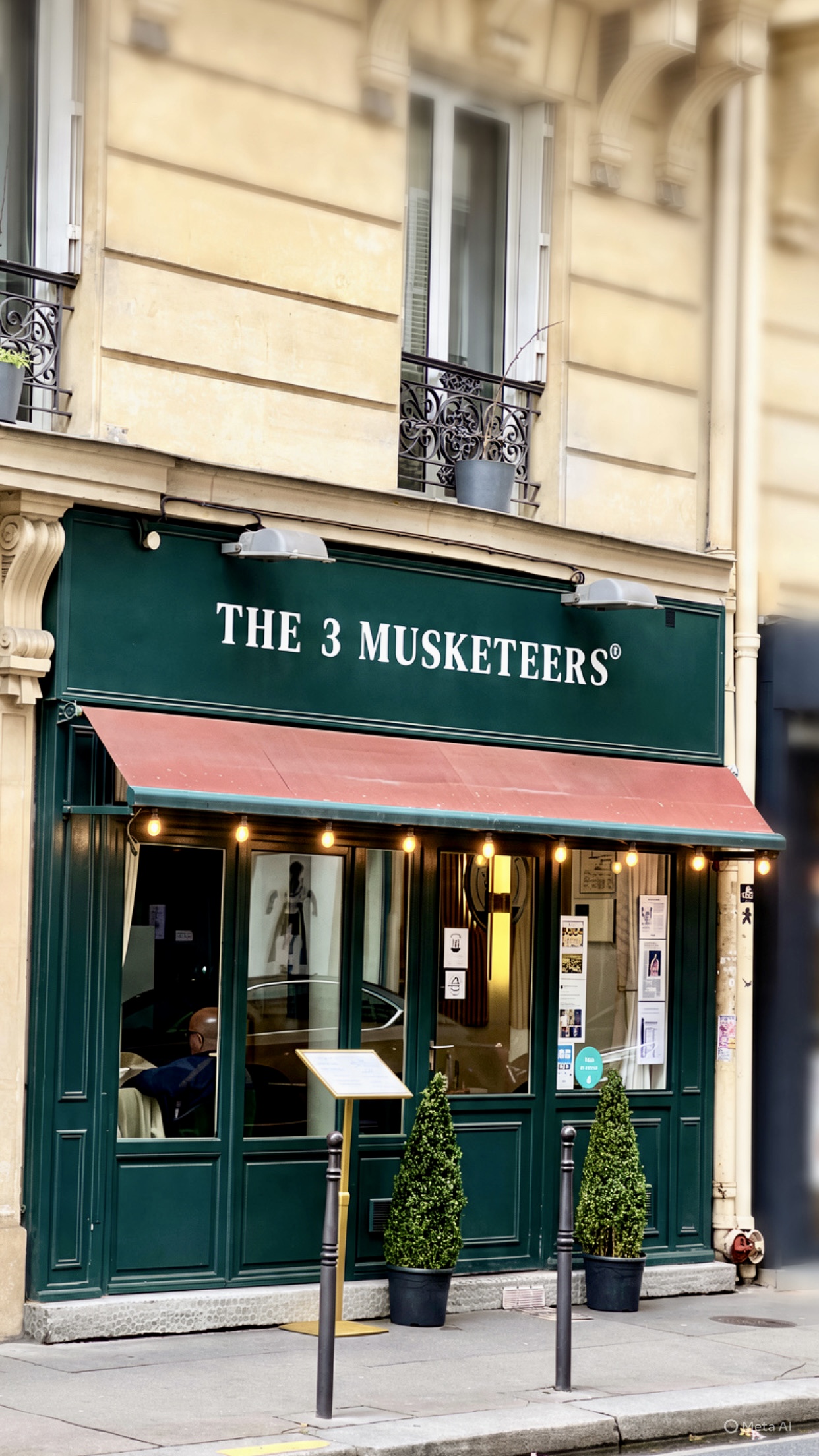 With The 3 Musketeers, I wanted to create a cuisine that remains deeply respectful of its origins while offering a contemporary expression of them.
For me, allowing a cuisine to evolve should never mean forgetting its history. You first need to understand its foundations, respect its techniques and bring out what makes its identity unique.
Peruvian cuisine has its own codes, ingredients and cooking methods, as well as a depth and diversity that extends far beyond its best-known dishes. Ceviche may be its most recognisable symbol, but it represents only one part of a much broader culinary heritage.
We work with high-quality French produce alongside ingredients that are essential to Peruvian food culture, particularly our diverse ají peppers, which bring their own aromas, subtle flavours and character.
Through The 3 Musketeers, I want to share the depth and diversity of Peruvian gastronomy, tell its story and encourage guests to explore the culture further — perhaps even to travel to Peru one day and experience its full depth for themselves.
5. Looking back at your journey today — from Le Cordon Bleu Paris to opening The 3 Musketeers — what are you most proud of, and what would you like to share through your cuisine?
What makes me proudest today is having turned a passion that began in childhood into a genuine life project.
My journey took me from Lima to London, through a range of international experiences, and eventually back to Paris, where I created The 3 Musketeers.
Each stage allowed me to learn, discover new cultures and broaden my understanding of food. Yet over time, I realised that all those experiences kept leading me back to my roots and to the same deep desire: to share all that Peruvian gastronomy has to offer.
Today, my cuisine is above all an expression of my Peruvian identity, supported by the technique, discipline and high standards I have developed throughout my career.
Through The 3 Musketeers, I want to convey a story, a culture and an emotion. The name also reflects a value that matters enormously to me: teamwork. Like the musketeers, each person brings their own personality, expertise and strength, while everyone works towards the same goal. In a kitchen, that sense of harmony is essential.
I would like every guest to experience a small part of Peru, discover the richness of its cuisine and leave wanting to learn more about its culture.
Ultimately, if The 3 Musketeers can play even a small part in raising the profile of Peruvian gastronomy and revealing the depth of one of the world’s great culinary traditions, then I will feel that the whole journey has truly meant something.
The global Dilmah Real High Tea Challenge completed the Australian leg of the competition with announcements made at a ‘Chart-tea’ event in Sydney recently.
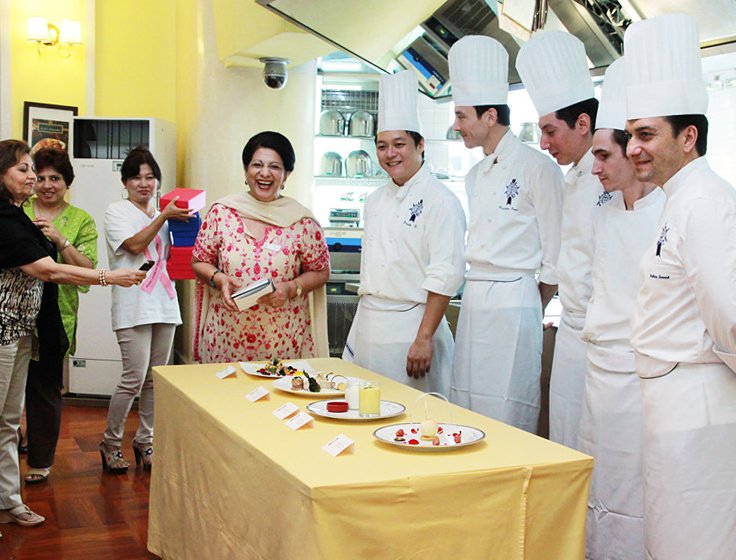
Le Cordon Bleu Dusit organized a special cooking demonstration for “Bangkok Breast Cancer Support Group” (BBCS)
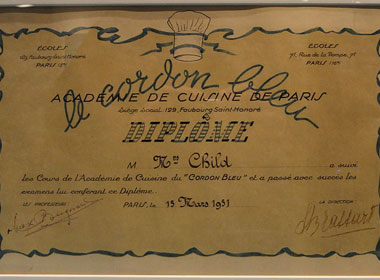
Le Cordon Bleu remembers former student Julia Child in her centenary year. The influential and charismatic chef is credited with popularising French cuisine in ...
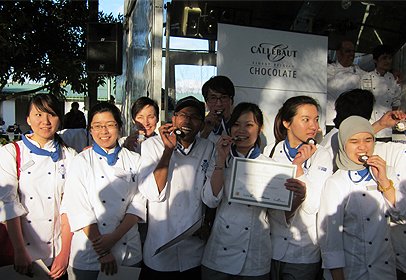
During their recent vacation period a group of Le Cordon Bleu Patisserie students and teachers competed in the Hunter Valley Chocolate Festival and Competition, ...
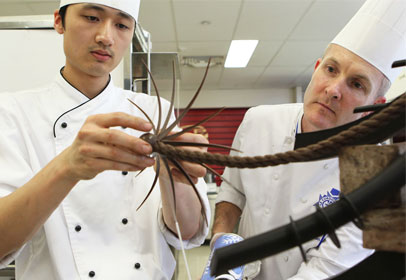
Chef Andre’s experience includes working in restaurants, casinos, hotels, pâtisserie production facilities, and now teaching. He has lived and worked in Japan, ...

There are three types of meringue: French meringue, Italian meringue and Swiss meringue, and all three have different uses: petits-fours, parfaits, iced ...

In partnership with Ottawa Tourism and the Ontario Ministry of Tourism, Le Cordon Bleu is honoured to be participating in the exciting events being hosted at ...
Copyright © 2026 Le Cordon Bleu International B.V. All Rights Reserved.